
Once your car sails, silence is normal but unnecessary. Here is how to follow your vehicle at every stage and what each reference number does.
Quick Answer
You track a car shipment using three references: your shipping agent's booking reference, the bill of lading number issued when the car is loaded, and the vessel name and voyage number. The bill of lading number lets the shipping line show your container or unit status; the vessel name lets you follow the ship itself on public tracking sites.
In practice, most customers get their updates from their agent at four moments: collection, loading, sailing and arrival. Tracking sites fill the quiet gap in between.
Stage 1: Collection in the UK
The first milestone is the car leaving your address or being delivered to the port. If we collect, you get a confirmation once the car is on the transporter and again when it reaches the terminal.
Take dated photographs of the car from all four corners, the roof, the interior and the odometer before handover, and keep the collection note. This is your evidence of condition, and it also confirms the date the vehicle entered the shipping chain.
Stage 2: At the Port Before Loading
Cars often wait at the terminal for a few days before their sailing. This is normal. During this window export customs clearance is completed and the vehicle is inspected and allocated to a vessel.
If you are shipping in a container, this is when the car is loaded, strapped and the container sealed. Ask for the container number and the seal number — both appear on your documents and both are used in tracking.
Stage 3: The Bill of Lading
The bill of lading is issued after loading. It is the contract of carriage, the receipt for your vehicle and the document that proves who is entitled to collect it at the other end. It carries the bill of lading number, the vessel and voyage, the load and discharge ports, and the vehicle's details.
Check it carefully the moment you receive it. Chassis number, name, address and destination port must all be correct. Amending a bill of lading after sailing is possible but slow and sometimes chargeable, and errors here are the main reason cars get held at destination.
Stage 4: Following the Vessel
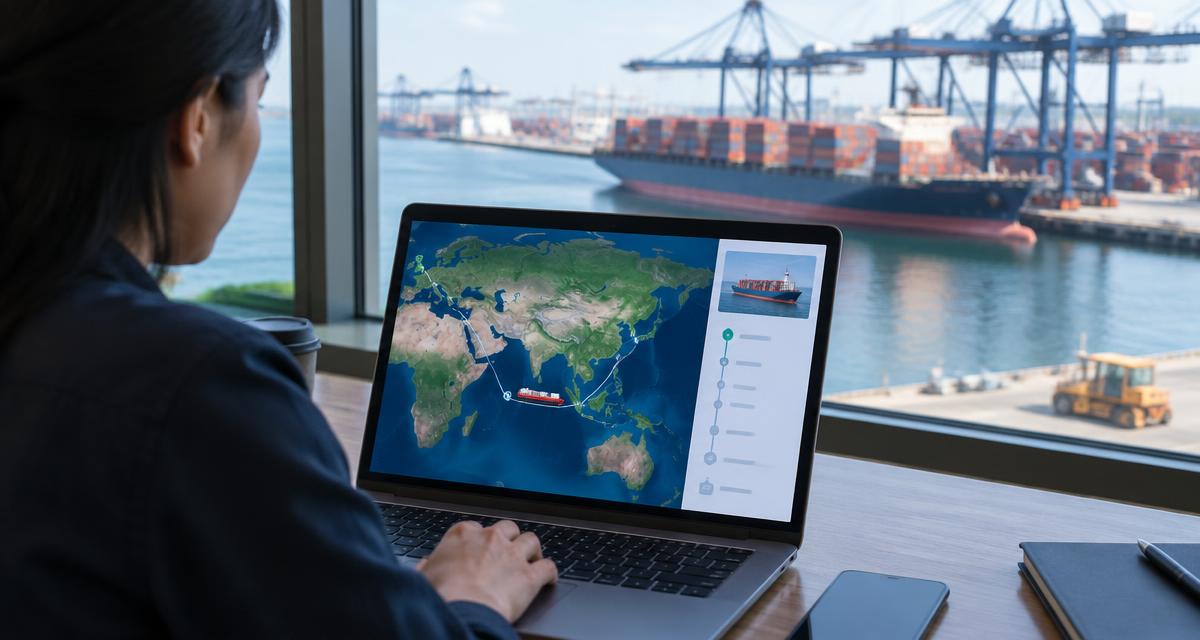
With the vessel name and voyage number you can follow the ship on public marine-traffic websites, which show current position, speed and estimated arrival. Shipping lines also publish schedules and cargo tracking on their own sites, where the bill of lading or container number returns a status such as loaded, in transit, discharged or available for collection.
Treat the ETA as an estimate. Weather, port congestion, tide windows and extra calls all shift arrival dates, and a ship rarely arrives on the day first advised. A few days either way is completely normal.
Stage 5: Arrival and Clearance
Arrival is not the same as release. After discharge, the car must clear import customs before it can be collected. Your consignee or clearing agent submits the paperwork, pays any duty and taxes, and settles terminal handling.
This is the stage where delays cost money, because free storage time at the terminal is limited. Once it runs out, demurrage and storage charges accrue daily. Have your clearing agent appointed and your documents sent before the vessel arrives, not after.
Stage 6: Collection or Final Delivery
When customs releases the vehicle, the terminal issues a release or delivery order against the original bill of lading. Whoever collects needs identification and the release paperwork. Inspect the car before signing anything: check the body, glass, wheels, interior and mileage against your collection photographs, and note any issue on the delivery receipt at the time.
If you have marine insurance and there is damage, report it immediately and in writing. Claims made after the car has left the terminal are much harder to support.
Who to Contact and When
For anything before sailing, contact your shipping agent. For vessel position and ETA, use the line's tracking or a marine-traffic site. For anything after arrival, your clearing agent at the destination is the fastest route to an answer.
Keep all your references together in one place: booking number, bill of lading number, container and seal numbers, vessel and voyage. With those five items, anyone in the chain can find your car in seconds. If you would like a written quote that sets out who handles each stage, send us your vehicle and destination details.
What the Tracking Statuses Actually Mean
Carrier tracking uses a short list of standard terms. 'Gate in' means the vehicle or container has entered the terminal. 'Loaded on vessel' means it is physically on the ship. 'Vessel departed' confirms sailing, which is the point your transit time starts. 'Transshipment' means your cargo is being moved to a second vessel at an intermediate port, which adds days and is a common reason for a quiet period in updates. 'Discharged' means it is off the ship but not yet cleared, and 'available for release' means customs has finished and the terminal can hand it over. Knowing the vocabulary saves a lot of unnecessary worry when a status sits unchanged for a week.
Frequently Asked Questions
How do I track my car on a ship?
What is a bill of lading number used for?
Why has my ship's ETA changed?
What happens if I do not collect the car quickly?
Ready to Ship Your Vehicle?
Get a free, no-obligation quote for international vehicle shipping from the UK. Check our destinations or use the cost calculator.
Written by
Zahir
SEO & Logistics Expert
Zahir is a seasoned SEO strategist and content writer specializing in international logistics, vehicle shipping, and automotive culture. With over a decade of experience in the shipping industry, he provides expert insights to help customers navigate the complexities of international vehicle transport.