
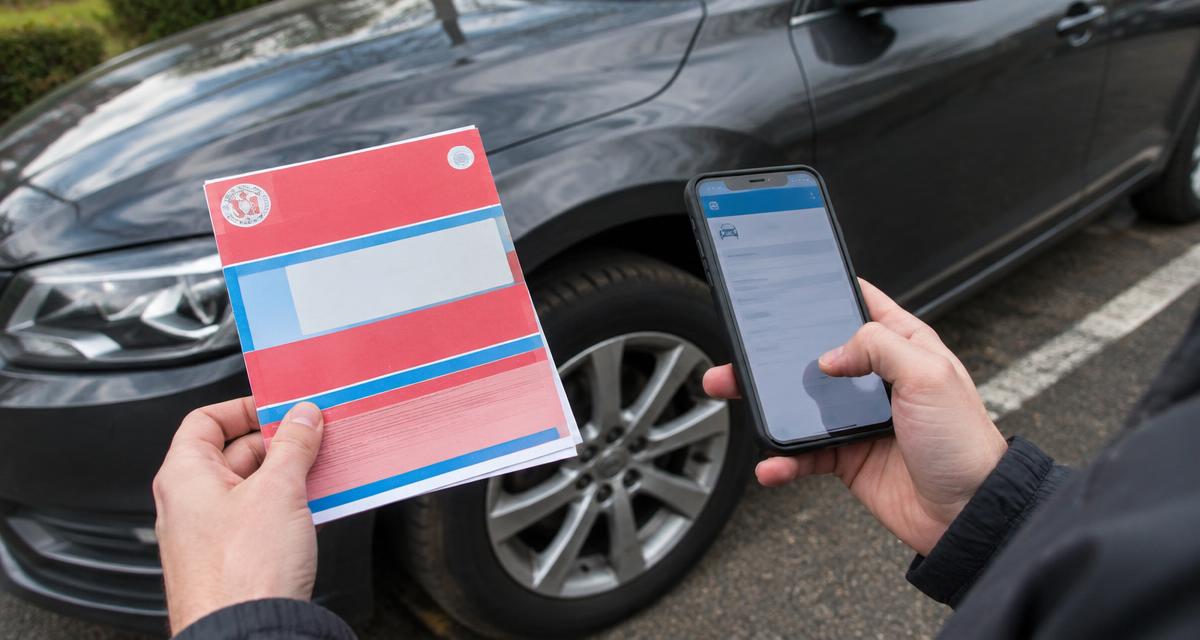
A few minutes of checks before export can save weeks of delays at port. Here is exactly what to check on a UK car before it leaves the country.
Quick Answer
Before you export a car from the UK, check that the V5C logbook matches the car exactly (registration, chassis/VIN, engine number and colour), that you are the registered keeper or have written permission, that there is no outstanding finance, and that the car is not recorded as stolen or written off. Check the free DVLA vehicle enquiry service for tax and MOT status, and use a paid history check for finance and theft markers.
When the car leaves the UK permanently, you must tell DVLA using section 4 of the V5C (the export section) and keep the rest of the document with the car for customs abroad.
Why Checks Matter for Export
Customs officers at the UK port and at the destination compare the car against its paperwork. If the VIN on the car does not match the V5C, or the car has an active finance or theft marker, it can be held, refused loading or seized. Buyers exporting cars they have just purchased are most at risk, because they may not know the car's full history.
Shipping companies also need accurate information to book the car. A wrong registration, VIN or size can mean the car is re-booked on a later sailing, with extra storage costs.
Check 1: The V5C Logbook
Compare the registration number, VIN (usually on the base of the windscreen and on a plate in the door frame or engine bay), make, model, colour and engine size against the V5C. Make sure the name and address are yours. If you have just bought the car, send the new keeper section to DVLA and wait for the new logbook before export where possible.
If the V5C is lost, apply for a replacement before booking shipping — many destination countries will not register a car without original ownership documents.
Check 2: DVLA Vehicle Enquiry and MOT History
The free DVLA vehicle enquiry service shows tax status, MOT expiry, first registration date, CO2 figures and whether the car has been marked as exported. The free MOT history service shows past test results and recorded mileage, which helps you spot mileage discrepancies. Some destinations ask for proof of mileage or age, so it is useful to save these records.
Note that you do not normally need valid road tax to ship a car if it is delivered by transporter, but you do need tax and MOT to drive it on the road to the port.
Check 3: Finance, Theft and Write-Off Markers
Outstanding finance means the finance company still owns the car. Exporting a financed car without permission can be a criminal offence and can lead to the car being seized. A paid vehicle history check will show outstanding finance, police stolen markers and insurance write-off categories such as Cat S or Cat N.
Some countries restrict or ban import of written-off or salvage cars, so check the destination rules before you ship. If the car has been repaired after a write-off, keep repair invoices and photographs.
Check 4: Recalls and Condition
Check for outstanding manufacturer recalls using the government recall checker. Some destinations will not register a car with open safety recalls, and it is often much easier to have recall work done in the UK. Also check for leaks, battery health and tyre condition, as cars must be able to be driven on and off a RoRo vessel unless you book a non-runner service.
Telling DVLA the Car Has Been Exported
When the car leaves permanently, complete section 4 (permanent export) of the V5C and send it to DVLA, keeping the rest of the logbook for customs at destination. DVLA will then record the car as exported, and you will get a refund for any full months of road tax remaining. If you are exporting for less than 12 months, the rules are different, so check GOV.UK before travel.
Keep copies of every document you send. If the destination asks for a certificate of export or deregistration, your shipping agent can advise on what is required.
Export Checklist
Before you book: V5C in your name and matching the car; free DVLA enquiry and MOT history saved; paid history check with no finance, theft or write-off issues (or the correct paperwork if there is); recall check clear; destination import rules confirmed; passport and proof of address ready; valid insurance for transport.
Once your paperwork is in order, get a free quote and we will confirm the next sailing, collection and port options.
Private Plates and Exporting
If your car has a private (cherished) number plate you want to keep, transfer it to retention with DVLA before the car is exported. Once the car is recorded as permanently exported, the registration can be lost. Retention takes time, and the car will be given its original age-related registration, which is the number that must appear on the export paperwork. Update your shipping booking with the new registration so everything matches at the port. Also remember to cancel any UK parking permits, toll accounts or congestion charge auto-pay linked to the old number, and tell your UK insurer the date the car leaves so you only pay for the cover you use.
Buying a Car in the UK to Export
Many of our customers buy a car in the UK specifically to ship abroad, often for relatives in Africa, the Caribbean or South Asia. If that is you, run the checks before you pay. Meet the seller at the address shown on the V5C, check the VIN yourself, and never accept a car without a logbook. Ask for the service history and any MOT advisories. Keep the purchase invoice: many destination customs authorities use it to calculate duty, and a missing or unrealistic invoice can lead to officials setting their own, often higher, value.
If you are buying at auction, check the auction's own condition report and whether the car is sold with a V5C or only a salvage certificate. Salvage cars can be shipped to some countries but not others.
What Happens at the UK Port
At the port the car is checked in against the booking and the export declaration. Staff record the VIN and condition. If anything does not match, the car can be held until it is resolved. With accurate paperwork, check-in is quick and the car waits in the terminal for its sailing. This is why the checks in this guide pay for themselves.
Frequently Asked Questions
Do I need to tell DVLA when I export a car?
Can I export a car with outstanding finance?
Is the DVLA vehicle check free?
Do I need road tax to ship my car?
Ready to Ship Your Vehicle?
Get a free, no-obligation quote for international vehicle shipping from the UK. Check our destinations or use the cost calculator.
Written by
Zahir
SEO & Logistics Expert
Zahir is a seasoned SEO strategist and content writer specializing in international logistics, vehicle shipping, and automotive culture. With over a decade of experience in the shipping industry, he provides expert insights to help customers navigate the complexities of international vehicle transport.