

Explore the iconic Morris Minor, a beloved classic car that shaped British motoring culture and remains a favourite among collectors worldwide.
The Birth of an Icon
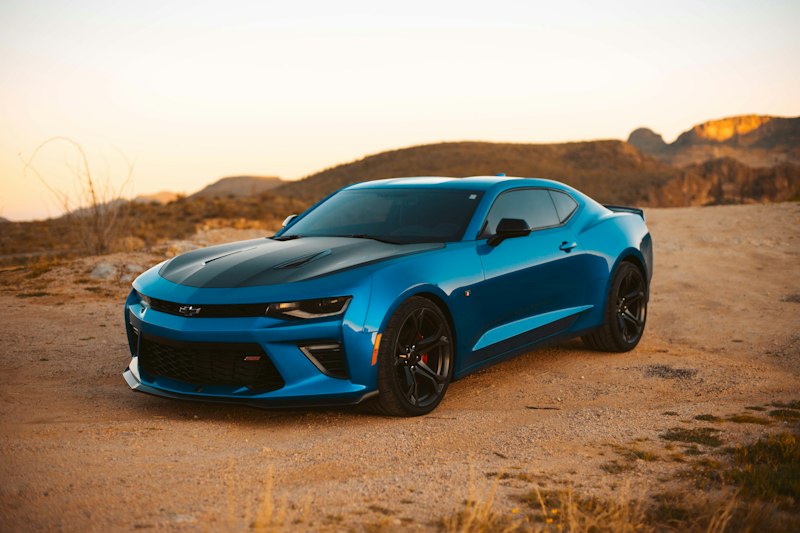
The Morris Minor, designed by Sir Alec Issigonis, first rolled off the production line in 1948 at the Cowley plant in Oxford. It was revolutionary for its time — featuring a unibody construction, torsion bar front suspension, and a remarkably spacious interior for such a compact car. Over 1.6 million units were produced before production ended in 1971, making it one of the most successful British cars ever made. Today, collectors worldwide seek out these iconic vehicles, and many choose to invest in classic British cars like the Morris Minor.
The car was initially available as a two-door saloon, but the range quickly expanded to include a four-door saloon, convertible (tourer), and the beloved Traveller estate with its distinctive ash wood frame. The Minor became the first British car to sell over one million units, a milestone celebrated with a special limited edition in lilac.
Why Collectors Love the Morris Minor
Today, the Morris Minor enjoys a devoted following among classic car enthusiasts worldwide. Its simple mechanical design makes it relatively easy and affordable to maintain and restore. Parts are readily available through specialist suppliers, and a thriving community of owners' clubs exists across the globe.
Values have been steadily rising, particularly for well-restored examples and rare variants like the Traveller and early split-screen models. A concours-quality Morris Minor can now command prices upwards of £15,000–£25,000, making them an attractive proposition for collectors and investors alike.
Shipping Classic Cars from the UK

The UK is one of the world's largest exporters of classic and vintage vehicles. Whether you've purchased a Morris Minor at auction or are relocating with your cherished classic, exporting a car from the UK requires careful planning.
Container shipping is the preferred method for classic cars. Your vehicle is loaded into a dedicated or shared container, providing complete protection from the elements and potential damage during transit. For high-value classics, an enclosed container with professional strapping and blocking is essential. Learn more about car shipping methods to choose the right option.
At The Ship Cars, we specialise in handling classic vehicles with the care they deserve. Our team understands the unique requirements — from proper securing methods to climate considerations and insurance coverage appropriate for the vehicle's value.
Import Regulations for Classic Cars
Import regulations vary significantly by destination country. Many countries offer exemptions or reduced duties for vehicles over a certain age:
- USA: Vehicles over 25 years old are exempt from DOT and EPA regulations, making pre-1999 Morris Minors eligible for straightforward import.
• Australia: Classic vehicles may qualify for reduced import duty and are exempt from certain compliance requirements if over 25 years old.
• EU Countries: Post-Brexit, importing a UK-registered classic into the EU requires customs declaration and payment of applicable duties (typically 6.5% + local VAT).
We handle all customs documentation and can advise on specific requirements for your destination country.
Preparing Your Classic Car for Shipping

Proper preparation is crucial to ensure your classic vehicle arrives safely. For a full breakdown of costs, see our car shipping costs guide.
1. Document the condition: Take detailed photographs of the entire vehicle, noting any existing damage or imperfections.
2. Mechanical preparation: Ensure the battery is disconnected, fuel tank is no more than a quarter full, and any fluid leaks are addressed.
3. Remove loose items: All personal belongings and loose accessories should be removed from the vehicle.
4. Disable the alarm: If fitted, ensure any aftermarket alarm is deactivated to prevent issues during transit.
5. Key copies: Provide two sets of keys — one with the vehicle and one with the shipping documentation.
Ready to ship your classic car? Use our cost calculator for an instant estimate.
Frequently Asked Questions
How much does it cost to ship a classic car from the UK?
Is my classic car insured during shipping?
Can I ship a non-running classic car?
Ready to Ship Your Vehicle?
Get a free, no-obligation quote for international vehicle shipping from the UK. Check our destinations or use the cost calculator.
Written by
Zahir
SEO & Logistics Expert
Zahir is a seasoned SEO strategist and content writer specializing in international logistics, vehicle shipping, and automotive culture. With over a decade of experience in the shipping industry, he provides expert insights to help customers navigate the complexities of international vehicle transport.