
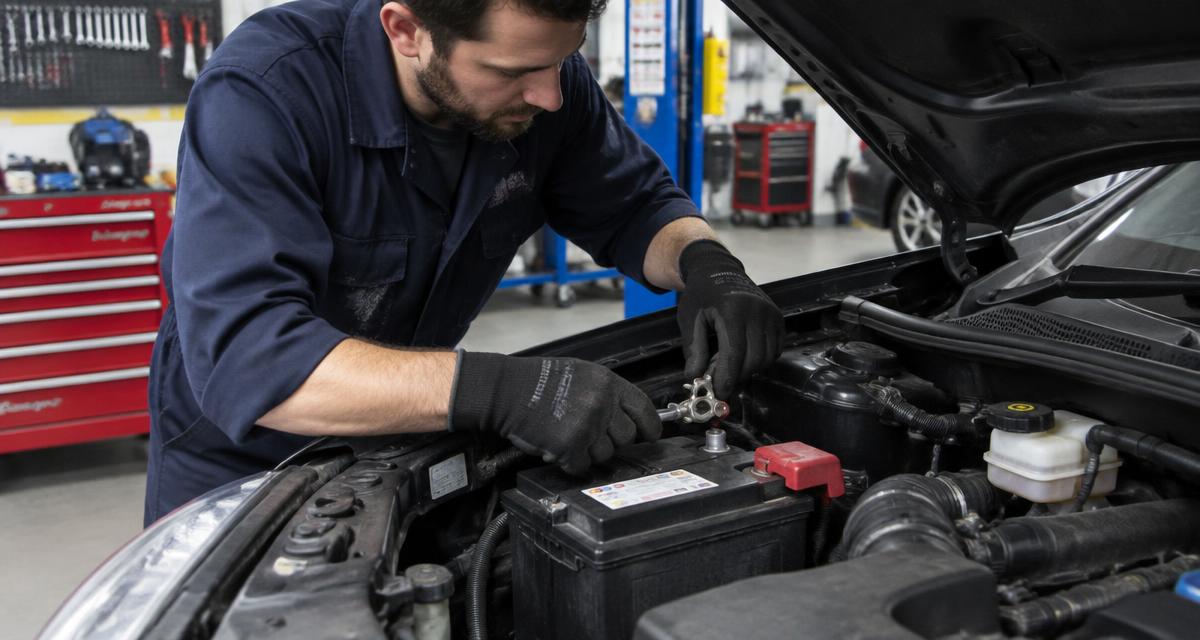
Car batteries are dangerous goods. Here is how to ship one on its own, and what happens to the battery when you ship a whole car.
Quick Answer
A car battery on its own is classed as dangerous goods for transport, so it must be packed, labelled and declared correctly. Lead-acid batteries are usually UN2794 (wet, filled with acid) or UN2800 (non-spillable), and lithium-ion batteries are UN3480. When you ship a whole car, the battery stays fitted: the car is shipped as UN3166 (petrol or diesel) or UN3171 (electric), and carriers may ask for the 12V battery to be disconnected and EV batteries to be charged within a set range.
Shipping a Loose Car Battery
Loose batteries are not ordinary parcels. For road, sea or air transport they must be packed upright in strong packaging, with terminals protected against short circuits, and marked with the right UN number and hazard label. Many parcel couriers will not accept them at all. Air transport is especially restricted, and damaged or leaking batteries are generally forbidden.
For most people, the easiest option is to buy a new battery at the destination rather than ship one. If you must ship spare batteries with a car in a container, tell us in advance so they can be declared on the dangerous goods paperwork.
Lead-Acid vs Lithium Batteries
Lead-acid batteries (most petrol and diesel cars) contain sulphuric acid, which can leak and cause burns. Non-spillable AGM and gel batteries are easier to ship.
Lithium-ion batteries (EVs, hybrids and some performance cars) can overheat if damaged or short-circuited. They are subject to stricter rules and state-of-charge limits.
What Happens to the Battery When You Ship a Car
You do not need to remove the battery. The car itself is declared as a vehicle under the dangerous goods code. For RoRo, the battery stays connected so the car can be driven on and off. For container shipping, the carrier or loader may disconnect the 12V battery to prevent drain and electrical faults during the voyage. We will tell you what is required for your shipment.
Electric and Hybrid Cars
Electric cars are shipped as UN3171, Class 9. Carriers usually set a maximum state of charge, commonly around 30% for containers and up to about 50% for RoRo, although the exact limit depends on the shipping line. The car must be undamaged, with no warning lights relating to the battery. Damaged EV batteries require special handling and may not be accepted. See our electric vehicle shipping service page for full details.
Preparing Your Car's Battery Before Shipping
Make sure the battery is healthy and fully charged (for a petrol or diesel car) so the car starts at the destination. Fix any electrical faults that drain the battery. Remove aftermarket trackers or accessories that stay powered. For long voyages, a disconnected battery is less likely to go flat. Leave clear instructions if the car has an alarm or immobiliser that needs a special procedure.
Arriving With a Flat Battery
Long voyages can drain batteries. Port staff are used to jump-starting cars, but if your car is known for battery drain, disconnecting it before shipping is the best protection. Classic cars with older batteries benefit from a fresh battery before the trip.
Buying a Replacement Battery Abroad
If your car needs a new battery soon, it is often easier to buy one after arrival. Note the battery size, capacity (Ah), cold cranking amps and terminal layout before you ship, so you can buy the right replacement locally. For stop-start cars, make sure you buy the correct AGM or EFB type, and have it coded to the car if the manufacturer requires it. This avoids shipping a loose battery altogether and keeps your paperwork simple.
Frequently Asked Carrier Requirements
Shipping lines may ask that the car has no fuel or oil leaks, that the fuel tank is no more than a quarter full, that the battery is secured in its tray with terminals covered, and that aftermarket electrics such as trackers are disabled. Electric vehicles may need a charge-level declaration and confirmation that the battery is undamaged. Some carriers ask for EVs to be loaded last or in specific positions. We check the requirements for your sailing and tell you exactly what to do before collection, so the car is accepted without delay.
Dangerous Goods Classes in Plain English
UN2794: wet lead-acid batteries filled with acid, the ordinary battery in most petrol and diesel cars.
UN2800: non-spillable batteries such as AGM and gel types.
UN3480: lithium-ion batteries shipped on their own.
UN3171: battery-powered vehicles, including electric cars.
UN3166: vehicles with an internal combustion engine, including hybrids that also have a fuel engine.
Each class has its own packing and labelling rules. When you ship a whole car with us, we complete the correct vehicle declaration. Loose batteries need separate declarations.
Tips for Hybrid and Classic Car Owners
Hybrid cars carry both a fuel tank and a high-voltage battery. They are usually declared as UN3166, and carriers may ask for the fuel level and battery charge to be kept low. Make sure there are no hybrid system warnings on the dashboard.
Classic cars often have older batteries and wiring. Fit a fresh battery before shipping, check for parasitic drain, and consider fitting a battery isolator switch so the port team can disconnect it easily. Leave written instructions in the car for any unusual starting procedure.
Documents checklist: your V5C registration document (or proof of ownership), passport or photo ID, a commercial invoice or bill of sale showing the value, and the booking confirmation we send you. We prepare the UK export declaration on the Customs Declaration Service and give you the bill of lading once the vehicle has sailed. Keep digital copies of everything, because the destination customs broker will ask for the same documents again.
Summary
Ship loose batteries only when necessary, and always as declared dangerous goods. When shipping a car, leave the battery fitted, follow the carrier's disconnection or charge rules, and tell us about any EV, hybrid or electrical issues. We take care of the dangerous goods declarations for your vehicle as part of the booking.
Ship Your Car With Confidence
The Ship Cars works with Ascope Shipping Services LTD, our official vehicle shipping agent in Hull, rated 4.7/5 from 710 Trustpilot reviews. You get one point of contact for UK collection, export paperwork, RoRo or container freight and advice for arrival. Every quote is fixed and based on our published country rates where they apply, so there are no surprises on the port-to-port price. We handle the dangerous goods paperwork for petrol, diesel, hybrid and electric vehicles.
Frequently Asked Questions
Can I ship a car battery by post?
Do I need to remove the battery to ship my car?
What charge should an EV have for shipping?
Ready to Ship Your Vehicle?
Get a free, no-obligation quote for international vehicle shipping from the UK. Check our destinations or use the cost calculator.
Written by
Zahir
SEO & Logistics Expert
Zahir is a seasoned SEO strategist and content writer specializing in international logistics, vehicle shipping, and automotive culture. With over a decade of experience in the shipping industry, he provides expert insights to help customers navigate the complexities of international vehicle transport.