

RORO and container shipping differ significantly in price and protection. Here's a detailed cost comparison to help you choose the right option.
2026 Quick Comparison Table
RoRo: cheapest for running cars; published rates from £535 (Spain) and £850 (Canada); no personal items; car driven on and off; exposed to handling on deck.
Shared container: enclosed; personal items often allowed; accepts non-runners; usually 15–25% more than RoRo.
Sole 20ft container: maximum security for classics and high-value cars; highest cost for a single car.
40ft container (2 cars): splits cost between two vehicles — a strong option for families moving with two cars.
Understanding the Two Methods
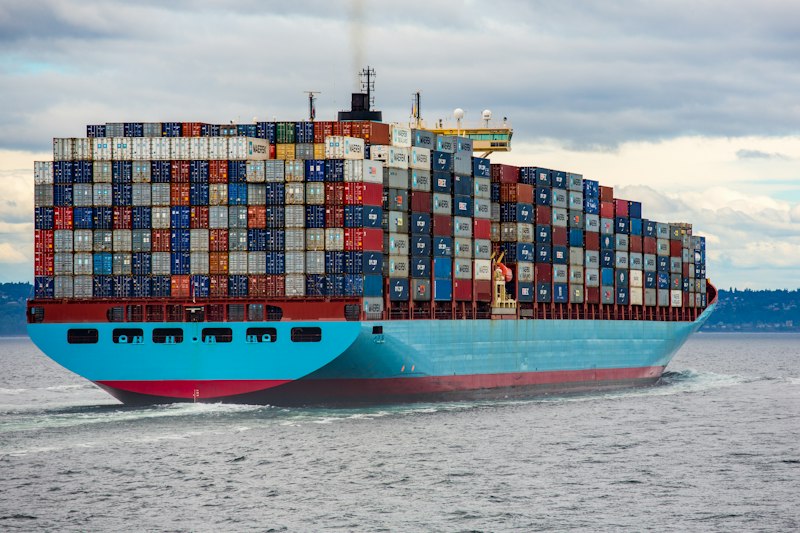
RORO (Roll-on/Roll-off) shipping involves driving your vehicle directly onto a specialised vessel with built-in ramps and internal decks, where it is secured alongside hundreds or thousands of other vehicles for the voyage. Container shipping, by contrast, involves loading your vehicle into a steel shipping container — either shared with other vehicles or exclusively yours — which is then stacked aboard a standard container vessel alongside general cargo.
The fundamental cost difference stems from how efficiently each method uses vessel space and handling resources. RORO vessels are purpose-built for volume, moving vehicles quickly with minimal individual handling, which keeps per-vehicle costs low. Container shipping requires the vehicle to be loaded into and secured within a box, often with wooden blocking and strapping, and the container itself must be craned on and off the vessel — a more labour-intensive and therefore costlier process per vehicle.
Typical Price Differences
As a general benchmark, container shipping typically costs 30–70% more than RORO for the same route and vehicle type. For example, on a route where RORO might cost £1,000, a shared container slot for the same vehicle might cost £1,300–£1,600, while a dedicated (sole-use) container could reach £2,200–£2,800, since you're effectively paying for the full container capacity even if your single vehicle doesn't fill it.
Shared container shipping narrows this gap somewhat, as the cost of the container is split between multiple vehicles or shipments heading to the same destination, but it does require coordination and can extend the time needed to fill the container before it departs. This makes shared container a middle-ground option: more expensive than RORO but considerably cheaper than a dedicated container, while still offering better protection than open RORO decks.
What You Get for the Extra Cost

The premium for container shipping buys several tangible benefits. First, your vehicle is enclosed and protected from salt air, weather, and the general wear of being parked among other vehicles on an open deck — a meaningful consideration for classic, luxury, or recently restored cars. Second, container shipping allows you to include personal effects and spare parts inside the vehicle, which is strictly prohibited under RORO's maritime safety regulations.
Third, container shipping can accommodate non-running vehicles, since the car is lifted or winched into the container rather than needing to be driven, whereas RORO generally requires vehicles to be in drivable condition. Finally, container shipping offers more predictable, controlled handling with fewer touchpoints, which some owners consider worth paying for on high-value vehicles even when RORO would technically be available on the same route.
When RORO Makes More Financial Sense
For the majority of standard, running vehicles being shipped to well-served destinations, RORO remains the more sensible financial choice. Modern RORO vessels have enclosed, weatherproof internal decks — not open exposed decks as some assume — so the protection gap with container shipping is smaller than often believed for everyday vehicles. If your car is a standard production model in good condition, insured for its true market value, and travelling to a destination with regular RORO service, the cost savings typically outweigh the marginal protection benefits of a container.
RORO also tends to have more frequent sailings on major trade lanes, which can mean faster overall transit and fewer delays waiting for a container to be filled (in the case of shared container) or scheduled onto a vessel. For time-sensitive shipments where cost is the primary concern, RORO is generally the recommended default unless specific circumstances point towards container shipping.
When Container Shipping Justifies the Premium

Container shipping becomes the better value proposition in several specific scenarios: shipping a non-running, classic, or high-value vehicle where protection and controlled handling matter more than saving a few hundred pounds; shipping to a destination with no direct RORO service, where container may be the only practical option; or when you need to combine the vehicle shipment with household goods, spare parts, or business equipment in the same load.
Ultimately, the right choice depends on weighing the cost difference against your vehicle's value and your risk tolerance. A useful approach is to ask your shipping provider for both a RORO and container quote side by side for your specific route, so you can see the actual price gap for your situation rather than relying on general averages, and make an informed decision based on your vehicle and priorities.
Frequently Asked Questions
Is container shipping always safer than RORO?
How much more expensive is a dedicated container?
Can I save money with shared container shipping?
Which method should I choose for a non-running car?
Is RoRo or container cheaper in 2026?
Ready to Ship Your Vehicle?
Get a free, no-obligation quote for international vehicle shipping from the UK. Check our destinations or use the cost calculator.
Written by
Zahir
SEO & Logistics Expert
Zahir is a seasoned SEO strategist and content writer specializing in international logistics, vehicle shipping, and automotive culture. With over a decade of experience in the shipping industry, he provides expert insights to help customers navigate the complexities of international vehicle transport.