
Shipping a car to Indonesia involves some of the toughest import rules in Southeast Asia. Here's what UK exporters need to know about costs and eligibility in 2026.
Understanding Indonesia's Restrictive Import Policy

Indonesia operates one of the most tightly controlled vehicle import regimes in the world, and this is the single most important thing UK owners need to understand before considering a shipment. General import of used vehicles for private ownership is effectively prohibited under Indonesian trade law, with narrow exceptions for diplomatic personnel, returning citizens under specific relocation schemes, and classic or vintage vehicles that qualify for special collector permits.
This means the vast majority of enquiries we receive about shipping to Indonesia relate to expatriates relocating under an approved personal effects allowance, or collectors importing pre-1970s vehicles under Indonesia's classic car provisions, rather than straightforward used-car purchases. Anyone considering a shipment should confirm eligibility with an Indonesian customs broker or the Directorate General of Customs and Excise before booking freight, since vehicles that don't meet the criteria can be refused entry, seized, or subjected to re-export at the owner's cost.
Who Can Legally Import a Vehicle
The most common legitimate route is the personal effects exemption available to Indonesian citizens or long-term residence permit holders returning from overseas, provided the vehicle has been owned and used abroad for a minimum period (typically 12 months) before shipment. Diplomatic and international organisation staff have separate, more flexible import allowances tied to their posting.
Classic car collectors can import vehicles generally aged 30 years or more through a specific vintage and classic vehicle permit process administered alongside the Ministry of Industry, which is popular with Jakarta's active classic car community for models like early Land Rovers, MGs, and pre-war British marques. Each route requires its own supporting documentation, and approval must generally be secured before the vehicle leaves the UK, not after it arrives at an Indonesian port.
Freight Costs from the UK to Indonesia
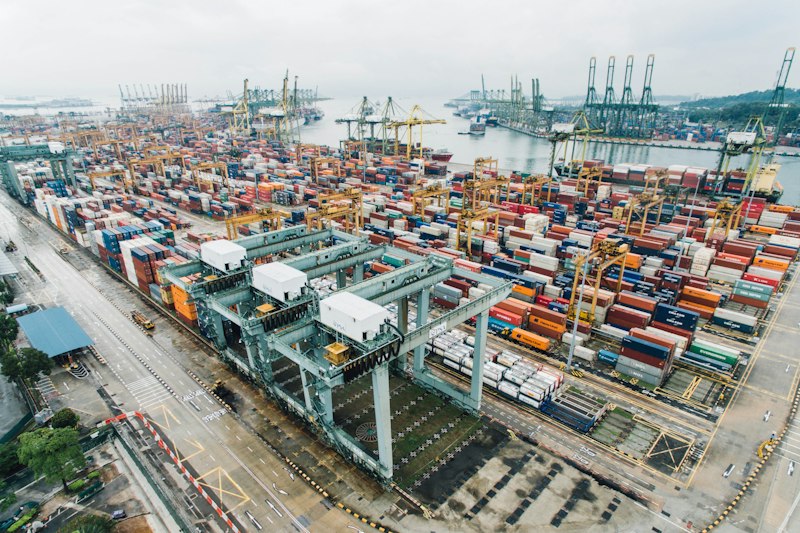
Assuming a vehicle qualifies for import, freight costs from the UK to Jakarta (Tanjung Priok) or Surabaya are broadly comparable to other long-haul Asian routes. RORO shipping is rarely available on this corridor due to limited scheduled services, so container shipping is the standard method.
A shared 20ft or 40ft container slot typically costs £1,800 to £2,600 per vehicle, while a dedicated container booked exclusively for one car runs from £3,200 to £4,800, reflecting the long transit distance and comparatively low shipping volumes on this route compared with major markets like the UAE or Australia. Transit time is typically 6 to 9 weeks depending on transhipment schedules, as most sailings route via Singapore or a Middle Eastern hub port before continuing to Indonesia.
Import Duty and Taxes If Eligible
Where a vehicle does qualify for import, Indonesia applies a combination of import duty (typically 40–50% depending on vehicle type and engine capacity), luxury goods sales tax (PPnBM) which can range from 10% to over 70% for larger-engined or premium vehicles, plus 11% VAT, all calculated cumulatively on the customs value. This tax stacking means total charges can, in some cases, exceed the value of the vehicle itself, particularly for larger SUVs or high-performance cars.
For a classic vehicle imported under the vintage permit scheme, rates are often more favourable and may be assessed differently, but owners should obtain a written duty estimate from an Indonesian customs broker before shipping, since the calculation depends heavily on the specific HS classification applied to the vehicle.
Documentation for an Indonesia-Bound Shipment
Because so few shipments to Indonesia are straightforward used-car imports, documentation requirements vary considerably by import category. Common paperwork includes the UK V5C with the export section completed, a bill of lading, commercial invoice, proof of the applicable exemption or permit (relocation letter, diplomatic accreditation, or classic vehicle certificate), and — for classic imports — an independent appraisal confirming the vehicle's age and authenticity.
We recommend engaging an Indonesian-based customs agent or relocation specialist before booking any freight, as they can confirm exactly which documents your specific import category requires and flag any additional Ministry of Trade approvals needed in advance.
Practical Advice for UK Exporters
Given the complexity involved, our advice to UK owners is straightforward: confirm your eligibility route in writing with an Indonesian customs broker before instructing any shipping company to book freight. Attempting to ship first and resolve import status afterwards is a common and costly mistake, often resulting in demurrage charges while the vehicle sits at the destination port awaiting a resolution that may never come.
For those who do qualify — whether through relocation, diplomatic status, or classic vehicle import — working with a shipper experienced in the Indonesian market makes a significant difference. We coordinate directly with Jakarta and Surabaya-based agents to align UK export paperwork with the specific requirements of your import category, reducing the risk of delay once the vessel arrives.
Frequently Asked Questions
Can I ship a regular used car from the UK to Indonesia?
How much does shipping to Indonesia cost if I'm eligible?
Is RORO shipping available to Indonesia?
What age must a classic car be to import into Indonesia?
How long does shipping to Indonesia take?
Ready to Ship Your Vehicle?
Get a free, no-obligation quote for international vehicle shipping from the UK. Check our destinations or use the cost calculator.
Written by
Zahir
SEO & Logistics Expert
Zahir is a seasoned SEO strategist and content writer specializing in international logistics, vehicle shipping, and automotive culture. With over a decade of experience in the shipping industry, he provides expert insights to help customers navigate the complexities of international vehicle transport.