

An in-depth explainer on RORO shipping — how it works from booking to delivery, what it costs, and when it makes sense for your vehicle.
What Happens When You Book RORO Shipping

RORO, short for Roll-on/Roll-off, is a method of shipping where vehicles are driven directly onto a purpose-built vessel using internal ramps rather than being lifted by crane. When you book a RORO shipment with The Ship Cars, the process begins with providing your vehicle's details, collection point, and destination, after which we confirm a sailing schedule and booking reference with the shipping line.
On the agreed date, your vehicle is driven or delivered to the departure port's designated vehicle processing centre, where it undergoes a condition check and documentation review before being driven onto the vessel by a trained port driver. This entire process, from port arrival to being loaded, typically takes place within a day or two of the vessel's scheduled departure.
How Vehicles Are Secured on Board
Once inside the vessel, vehicles are parked on one of several internal decks, which can often be raised or lowered to accommodate different vehicle heights. Professional lashing teams then secure each vehicle using wheel straps or under-body lashing points, following procedures designed to keep the vehicle firmly in place even during rough sea conditions.
Modern RORO vessels have enclosed, weatherproof decks, meaning vehicles are protected from rain, sea spray, and direct sun throughout the voyage, unlike older-style open car carriers. Ventilation systems manage air quality within the decks, and vehicles remain untouched until the vessel arrives at its destination port and the unloading process begins.
What RORO Costs and Why

RORO is generally the most cost-effective way to ship a standard vehicle internationally, largely because loading and unloading is fast and does not require the specialised crane equipment and container costs associated with container shipping. Pricing is typically calculated per vehicle based on its size classification, the specific route, and current freight rates, which fluctuate with fuel costs and vessel demand.
Because RORO does not involve a dedicated container, you are effectively sharing vessel space efficiently with hundreds or thousands of other vehicles on the same sailing, which is what keeps the cost per vehicle relatively low. You can get an instant estimate for your specific route using The Ship Cars' cost calculator.
What You Cannot Ship via RORO
International maritime regulations prohibit personal belongings being left inside a vehicle shipped by RORO, since the vehicle is driven by port staff and inspected at multiple points, and loose items pose both a security and liability risk. If you need to move personal effects alongside your car, container shipping is the appropriate method instead.
RORO also requires the vehicle to be in fully running and drivable condition, including working brakes and steering, as it must be driven on and off the vessel under its own power. Non-running vehicles, whether due to mechanical issues or because they are project cars, must be shipped via container using forklift or crane loading instead.
Typical Timelines and What to Expect
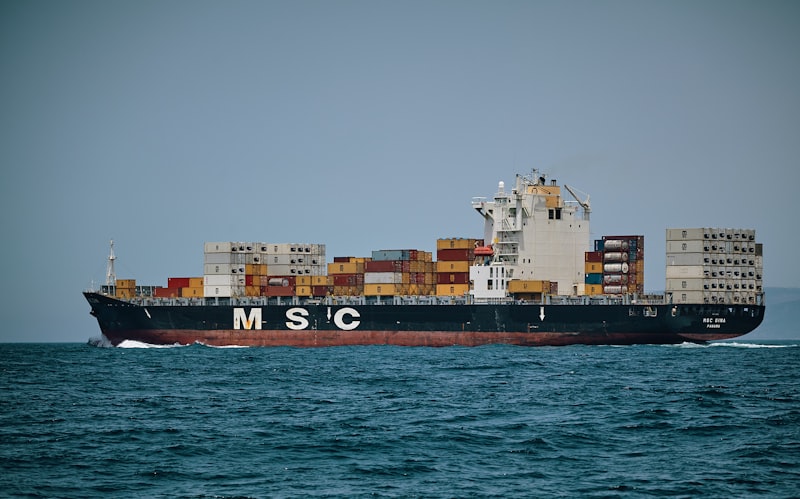
RORO sailing schedules operate on a fixed timetable much like a long-distance ferry service, with departures on set days depending on the route. Once loaded, transit times vary significantly by destination, ranging from around a week for short European crossings to four or five weeks for long-haul routes to destinations such as Australia or the Far East.
At the destination, your vehicle will go through local customs clearance before being available for collection, and The Ship Cars can arrange this clearance and any onward delivery on your behalf so the process feels as close to door-to-door as possible despite the vehicle being shipped independently by sea.
Is RORO Right for Your Shipment?
RORO is the right choice for the majority of standard vehicle shipments — running cars, motorbikes, vans, and light commercial vehicles heading to destinations with established RORO services. It offers a reliable balance of cost, speed of loading, and protection that suits most private and trade customers.
For classic cars, non-runners, high-value vehicles, or shipments that need to include personal belongings, container shipping is generally the better fit. The Ship Cars can talk through your specific vehicle and destination to recommend the most suitable and cost-effective shipping method for your circumstances.
Frequently Asked Questions
Is RORO shipping safe?
Can I leave items in my car during RORO shipping?
Does my vehicle need to be running for RORO?
How long does RORO shipping take?
Is RORO cheaper than container shipping?
Ready to Ship Your Vehicle?
Get a free, no-obligation quote for international vehicle shipping from the UK. Check our destinations or use the cost calculator.
Written by
Zahir
SEO & Logistics Expert
Zahir is a seasoned SEO strategist and content writer specializing in international logistics, vehicle shipping, and automotive culture. With over a decade of experience in the shipping industry, he provides expert insights to help customers navigate the complexities of international vehicle transport.