
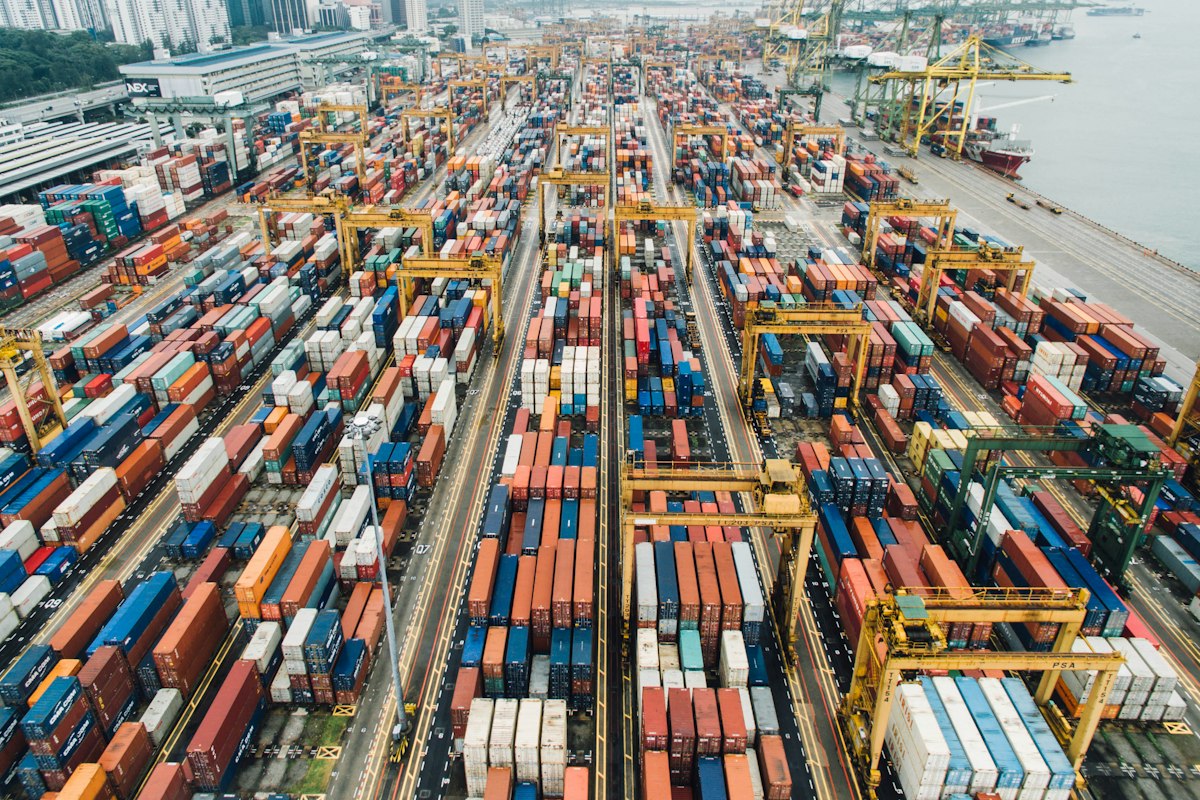
Understanding how to track your car shipment gives you peace of mind and helps you plan collection at the destination port with confidence.
Why Tracking Matters for Vehicle Shipping

When you send a car overseas, it disappears from your driveway and reappears weeks later on another continent — often via several ports, a vessel change, and a customs hall in between. Tracking bridges that gap. It tells you exactly where your vehicle is in the process: whether it has been collected, is awaiting loading at the departure port, has sailed, or has arrived and is clearing customs. Without visibility, many customers feel anxious during the transit period, particularly on longer routes to Australia, New Zealand, or the Far East, where the sea voyage alone can take four to eight weeks.
At The Ship Cars, tracking is built into the process from the moment your booking is confirmed. You receive a unique reference number tied to your shipment, which links to updates on collection, port arrival, vessel loading, departure, and estimated arrival. This transparency also matters practically: knowing your vehicle's likely arrival window allows you to arrange customs clearance, insurance continuation, and collection at the destination in good time, avoiding unnecessary port storage charges.
The Key Stages of a Tracked Shipment
A typical vehicle shipment moves through several distinct stages, each of which should generate a tracking update. First is collection or drop-off, where the vehicle leaves your possession and enters the shipping company's custody — this is usually confirmed with a condition report and photographs. Second is port arrival, when the vehicle reaches the departure terminal, whether that's Southampton, Tilbury, Bristol, or Grimsby, and is checked in against the booking reference.
Third is vessel loading, which confirms the car has been placed aboard the named RORO vessel or loaded into its container, along with the sailing date. Fourth is the ocean transit itself, during which many shipping lines and freight forwarders provide vessel position updates using AIS (Automatic Identification System) data, similar to flight tracking. Fifth is arrival at the destination port, followed by customs clearance, and finally release for collection or onward delivery. Each of these stages should be reflected in the reference number's status so you always know what to expect next.
How to Use Your Tracking Reference

Once your booking is confirmed, you'll receive a booking or bill of lading reference number. This is the master key to tracking your shipment. For RORO shipments, this reference can often be checked against the shipping line's own vessel tracking portal — companies such as Wallenius Wilhelmsen, Höegh Autoliners, and Grimaldi Lines all provide online booking status tools. For container shipments, the container number itself can be tracked via the shipping line's website, showing real-time vessel position and estimated time of arrival (ETA) at the discharge port.
It's worth noting that ETAs can shift due to weather, port congestion, or vessel rerouting, so treat early estimates as indicative rather than fixed. Our team also proactively contacts customers if there's a meaningful delay, rather than leaving you to discover it independently. If you ever lose your reference number, your shipping coordinator can retrieve shipment status directly from the shipping line or agent handling your booking.
What to Do When Your Vehicle Arrives
Arrival at the destination port doesn't mean immediate collection. The vehicle must first clear customs, which involves submitting the bill of lading, invoice, and any import permits or duty payments required by the destination country. This process can take anywhere from a few hours to several days depending on the country and how well-prepared the documentation is in advance. Tracking updates at this stage typically show statuses such as "discharged", "in customs", and "released".
Once released, you'll need to arrange collection from the port compound, either in person or through a local agent, and pay any outstanding port handling or storage fees. Keeping an eye on tracking during this final phase helps you avoid storage charges that accrue for vehicles left uncollected too long — most ports allow a short free period, typically five to ten days, before daily storage fees apply.
Common Tracking Issues and How to Resolve Them
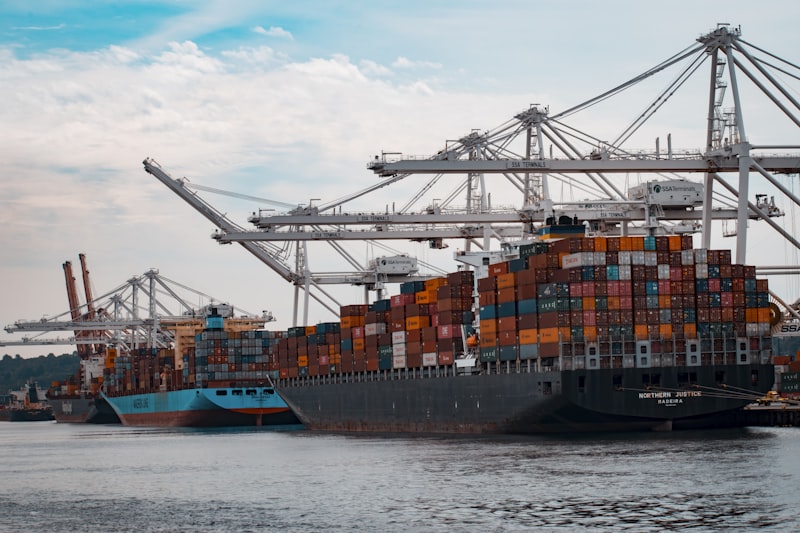
Occasionally, tracking information can seem to stall — a shipment might show "awaiting vessel" for longer than expected, or a container number might not yet appear on the carrier's system. This is usually because updates are batched rather than instantaneous; port and vessel systems often update once or twice daily rather than in real time. If tracking hasn't changed for more than 48–72 hours during an active transit phase, it's reasonable to contact your shipping provider for a manual update.
Another common source of confusion is when a shipment is transhipped — moved from one vessel to another at an intermediate port — which can make tracking appear to show unexpected locations. This is a normal part of many international routes, particularly to smaller or less-served destinations, and doesn't indicate a problem. A good shipping company will explain the routing in advance so you're not caught off guard by a stopover in Rotterdam, Antwerp, or Singapore on the way to your final destination.
Frequently Asked Questions
How soon after booking will I get a tracking reference?
Can I track my car in real time?
What does 'in transit' mean on my tracking status?
Why has my tracking not updated for several days?
Do I need the original bill of lading to collect my car?
Ready to Ship Your Vehicle?
Get a free, no-obligation quote for international vehicle shipping from the UK. Check our destinations or use the cost calculator.
Written by
Zahir
SEO & Logistics Expert
Zahir is a seasoned SEO strategist and content writer specializing in international logistics, vehicle shipping, and automotive culture. With over a decade of experience in the shipping industry, he provides expert insights to help customers navigate the complexities of international vehicle transport.