
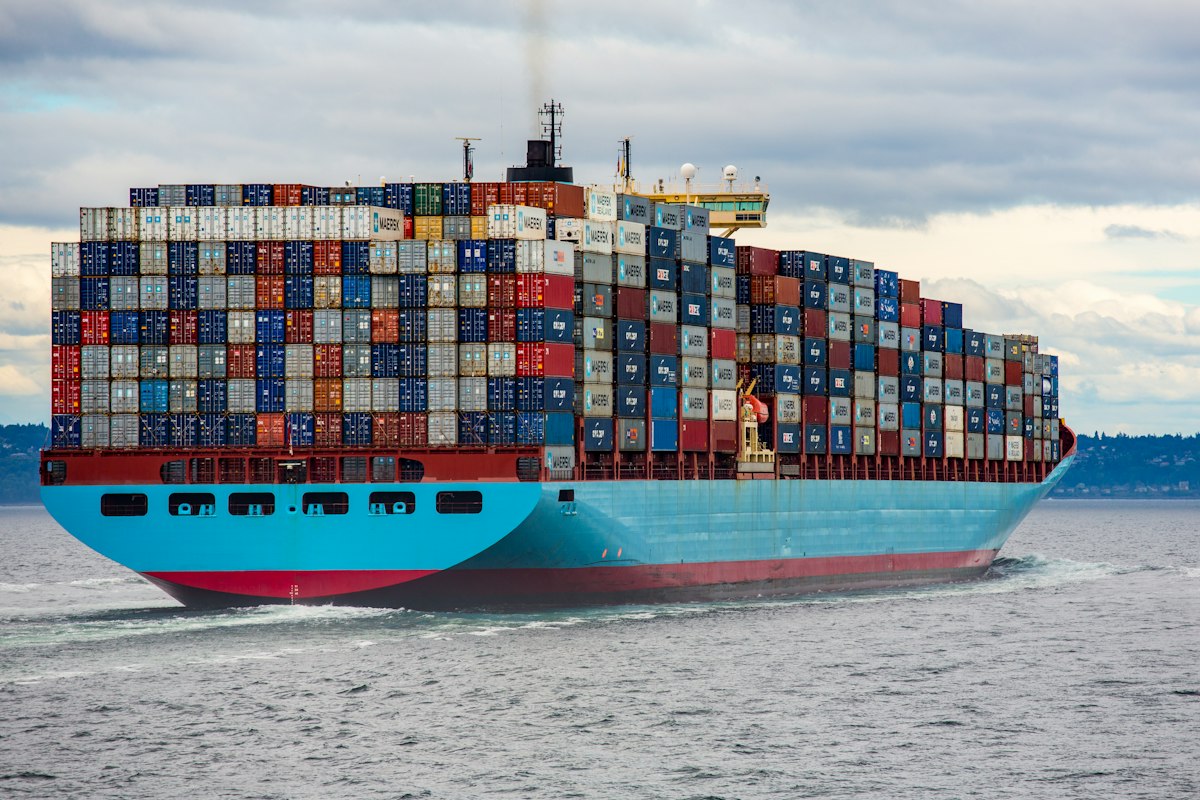
Planning your 2026 shipment? Here's an overview of how sailing frequency and transit times vary by destination country from UK ports.
Why Sailing Schedules Matter for Planning

Unlike booking a flight, vehicle shipping schedules are shaped by shipping line rotations, vessel availability, and cargo volumes on specific trade routes, meaning sailing frequency can vary from weekly departures on high-volume routes to just a handful of sailings per year on more niche destinations. Understanding the sailing frequency for your specific destination helps set realistic expectations for booking lead times and overall delivery timelines.
At The Ship Cars, we work with all the major shipping lines operating from the UK, and our RORO sailing schedule page is updated regularly with upcoming departures, but the general patterns below give a useful overview of what to expect by region heading into 2026.
North America: Frequent, Reliable Sailings
Routes to the USA and Canada are among the most frequently served from UK ports, with weekly or near-weekly RORO and container sailings from Southampton to East Coast ports such as New York and Baltimore, and slightly less frequent services to the West Coast via Los Angeles or through transhipment routes. Transit times typically range from two to four weeks depending on the specific port and vessel.
Given the frequency of sailings on this route, booking lead times of two to three weeks are generally sufficient, though popular pre-summer months can see increased demand as expats and returning residents plan relocations.
Middle East: Strong and Growing Demand
Routes to the UAE, particularly to Jebel Ali Port near Dubai, benefit from frequent sailings given the strong trade volumes between the UK and the Gulf region, with departures roughly every one to two weeks from Southampton or Tilbury and transit times of two to four weeks. Routes to other Gulf destinations such as Saudi Arabia and Qatar are similarly well served, though with slightly less frequency than the UAE.
This strong service frequency makes the Middle East one of the more flexible regions to plan around, though we still recommend booking two to three weeks ahead to secure your preferred sailing date.
Africa: Variable but Well-Established Routes

West Africa, particularly Nigeria and Ghana, is served by well-established and relatively frequent RORO routes given the high volume of used vehicle exports to the region, with sailings roughly every two to three weeks from Southampton, Tilbury, or Sheerness. Transit times generally range from three to five weeks.
East and Southern African destinations, including Kenya, Tanzania, and South Africa, tend to have less frequent direct sailings, often monthly or reliant on transhipment via a hub port, which can extend total transit times to five to eight weeks. Central African destinations, such as those reached via Pointe-Noire, generally follow a similar pattern with less frequent direct sailings.
Asia-Pacific: Longer Transit, Regular Departures
Routes to Australia and New Zealand generally see sailings every two to three weeks from Southampton, with transit times of five to seven weeks given the distance involved, though this remains a well-established and reliable trade route with consistent capacity.
Routes to Asian destinations such as Singapore, Japan, and Hong Kong are typically served via container shipping given the specific vehicle eligibility rules in these markets, with sailings roughly every two to four weeks and transit times of four to six weeks. Booking these routes further ahead, around three to four weeks, is advisable given the additional documentation and eligibility checks often required for these destinations.
Booking Recommendations for 2026
As a general rule, we recommend booking two to four weeks ahead of your desired sailing date for most destinations, extending to four to six weeks for less frequently served routes or during peak relocation seasons such as spring and early summer, when demand for vehicle shipping tends to rise alongside seasonal migration and relocation patterns.
Our team monitors sailing schedules across all our shipping line partners and can advise on the most current departure dates for your specific route, helping you plan your 2026 shipment with confidence rather than relying on estimated averages.
Frequently Asked Questions
How often do ships sail from the UK to Nigeria?
How far in advance should I book a 2026 vehicle shipment?
Which UK destinations have the most frequent sailings?
Where can I check current sailing dates?
Ready to Ship Your Vehicle?
Get a free, no-obligation quote for international vehicle shipping from the UK. Check our destinations or use the cost calculator.
Written by
Zahir
SEO & Logistics Expert
Zahir is a seasoned SEO strategist and content writer specializing in international logistics, vehicle shipping, and automotive culture. With over a decade of experience in the shipping industry, he provides expert insights to help customers navigate the complexities of international vehicle transport.