

Proper preparation reduces the risk of damage, delays and disputed claims. Here's the complete checklist we recommend for every vehicle we ship.
Start With a Thorough Condition Report

Before your vehicle goes anywhere near a port, walk around it methodically and photograph every panel, the roof, the underside where accessible, the interior, the odometer reading, and any existing damage, however minor. This isn't just good practice — it's the single piece of evidence that will determine whether a disputed damage claim at the other end is straightforward or contested, because insurers and carriers will compare arrival condition against exactly this documentation.
Use good lighting, take wide shots and close-ups of any marks, dents or scratches, and note the date. If you're using a professional shipping company, ask whether they conduct their own independent condition report at handover — at The Ship Cars we do this as standard for every vehicle, which adds a layer of verification beyond your own photographs and gives both parties a clear, timestamped record to refer back to if needed.
Fuel, Fluids and Mechanical Preparation
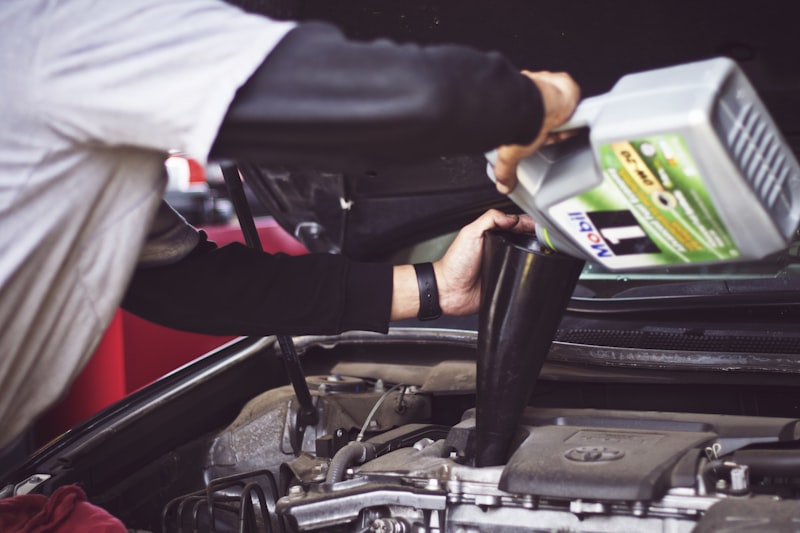
Fuel should be reduced to roughly a quarter tank or less — this isn't an arbitrary preference but a genuine safety requirement most carriers enforce, since excess fuel adds unnecessary fire risk and weight during transit. Check for and fix any fluid leaks (oil, coolant, brake fluid) before shipping, both because leaking fluid can stain a container floor or nearby vehicles on a RORO deck, resulting in a cleaning charge, and because a leak left unaddressed for the duration of a multi-week voyage can worsen considerably.
Tyres should be inflated to slightly above the vehicle manufacturer's normal recommended pressure, since a vehicle sitting stationary and loaded for several weeks is more prone to flat-spotting at normal pressure. If the vehicle has a convertible soft top, ensure it's in good condition and properly latched, and if it's non-running, confirm this clearly with your shipping provider at the point of booking, since non-running vehicles require different handling equipment (forklift or winch loading rather than being driven on) and this needs to be arranged in advance, not discovered on the day of collection.
Battery, Alarm and Electrical Systems
For most shipments we recommend leaving the battery connected but ensuring it's in good health, since a completely disconnected battery can cause issues with electronically controlled steering locks or immobilisers on some modern vehicles, occasionally making the car impossible to move once at destination without specialist reconnection. However, any aftermarket alarm system should be deactivated or disabled, since alarms triggered repeatedly by the motion and vibration of a sea voyage have, in isolated cases, drained batteries completely or caused disruption on RORO decks.
Remove any dash cams, satellite navigation units, or aftermarket electronics that aren't a permanent fixture, both to reduce the risk of theft and because loose electronics rattling around during transit can cause minor interior damage. If your vehicle has a tracking device fitted, note this for your shipping provider, since some carriers have specific policies about active tracking devices being disclosed for security reasons.
What to Remove From the Vehicle
All loose personal items must be removed before a RORO shipment, since international maritime cargo regulations prohibit undeclared personal effects travelling inside vehicles on RORO decks, and undeclared items found during a security or customs inspection can delay the entire shipment, not just your vehicle. Even for container shipments, where some personal items are more commonly permitted, check your specific provider's policy and any destination customs restrictions first, since some countries treat undeclared personal effects inside a shipped vehicle as a separate, unlawful import requiring its own duty assessment.
Remove roof boxes, bike racks, and any non-permanent external fittings unless specifically agreed with your shipping provider in advance, since these can affect the vehicle's height clearance for RORO decks or container loading, and loose or poorly secured external fittings are a common source of minor transit damage to the fitting itself or surrounding vehicles.
Documentation to Have Ready Before Collection
Have your original V5C (or foreign equivalent registration document), your passport or ID matching the consignee details you'll provide, proof of ownership or a bill of sale if the vehicle was recently purchased, and two full sets of keys — one to travel with the vehicle in a sealed envelope, and one to remain with the paperwork trail in case the first set is misplaced during handling. If your destination requires an export certificate, MOT/roadworthiness evidence, or a specific inspection before departure, arrange this well ahead of your collection date rather than at the last moment.
Finally, confirm your consignee's exact name and ID details match precisely what will appear on the bill of lading, and double-check the destination address and contact number for both the consignee and any local clearing agent involved. Getting this administrative groundwork right before the vehicle is even collected is, in our experience, the single biggest factor separating a smooth shipment from one that runs into delays — far more so than anything mechanical about the car itself.
Frequently Asked Questions
Should I disconnect my car battery before shipping?
How much fuel should be in the tank when shipping?
Can I leave personal belongings in the car during shipping?
Why is a condition report so important before shipping?
Ready to Ship Your Vehicle?
Get a free, no-obligation quote for international vehicle shipping from the UK. Check our destinations or use the cost calculator.
Written by
Zahir
SEO & Logistics Expert
Zahir is a seasoned SEO strategist and content writer specializing in international logistics, vehicle shipping, and automotive culture. With over a decade of experience in the shipping industry, he provides expert insights to help customers navigate the complexities of international vehicle transport.