
Bringing a car from the USA to the UK involves a different set of rules to a standard EU or Commonwealth import. Here's what to plan for.
Why USA-to-UK Imports Are More Involved

US-market vehicles are built to a different regulatory standard from UK/EU vehicles — different lighting, different emissions certification, and often different speedometer units and safety equipment specification. This means that, unlike shipping a UK-spec car abroad, bringing a US car into the UK almost always triggers the Individual Vehicle Approval (IVA) scheme, the UK's process for certifying that a vehicle not built to full UK/EU type approval is nonetheless safe and roadworthy for UK use.
The exception is genuinely classic vehicles: cars over 10 years old that haven't been substantially modified generally qualify for the Mutual Recognition scheme rather than full IVA testing, which is a considerably simpler and cheaper route. This is one of the reasons the USA-to-UK trade skews so heavily towards classic and modern-classic American cars — muscle cars, pickups, and increasingly popular modern classics — rather than newer US-market vehicles, which face the fuller and more costly IVA process.
Shipping Costs and Transit Times
From East Coast US ports such as New York, Baltimore or Savannah, shipping to Southampton typically takes 12 to 18 days by RORO, with container shipping taking a similar timeframe but with more scheduling flexibility around sailing frequency. From the West Coast, expect a longer transit, generally 25 to 35 days, since vessels either route via the Panama Canal or via a transhipment hub, adding considerably to the journey compared with East Coast departures.
RORO costs from the US East Coast to the UK typically range from £900 to £1,400 for a standard vehicle, while container shipping — often preferred for classic or higher-value cars — runs from around £1,600 to £2,600 for a shared container, or £2,800 to £3,800 for a dedicated one. West Coast departures generally cost £300–£600 more than equivalent East Coast shipments due to the longer routing.
UK Duty, VAT and the IVA Process
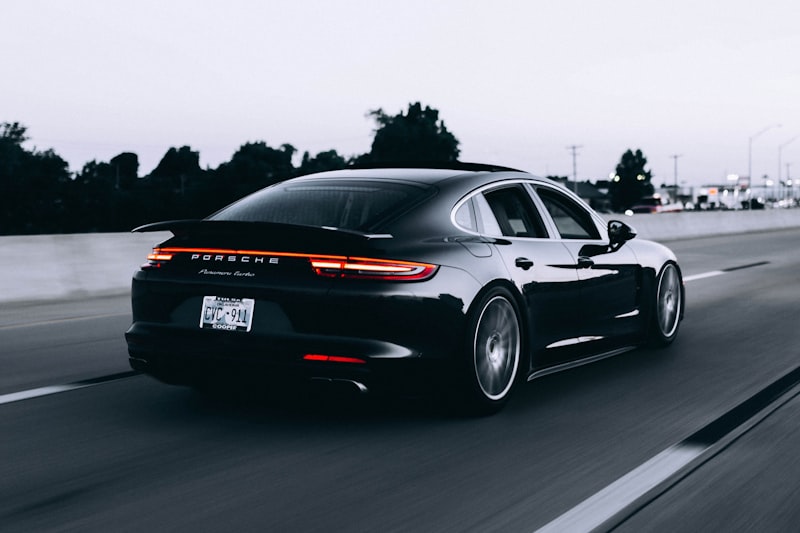
Importing a vehicle from the USA into the UK, as a non-EU import, generally attracts 10% customs duty on the vehicle's value plus shipping and insurance costs, and 20% VAT calculated on the value plus duty combined — meaning the effective total tax burden is meaningfully higher than the headline 10% duty figure alone suggests. Vehicles being permanently imported by someone relocating to the UK who has owned and used the vehicle abroad for at least 6 months may qualify for Transfer of Residence (ToR) relief, which can eliminate duty and VAT entirely, subject to HMRC approval and specific conditions.
Once landed and cleared through customs, non-exempt vehicles need to book an IVA test, which examines areas including lighting, mirrors, seatbelts, glazing and emissions. Common and often costly modifications required to pass IVA on a US car include headlight conversion or replacement (US headlights dip the wrong way for UK roads), rear fog light fitment, speedometer recalibration to display mph as the primary unit with kph secondary (or vice versa depending on interpretation, though most testers expect mph primary), and sometimes exhaust emissions modification work. Budgeting £1,500–£4,000 for IVA preparation and testing on a typical US import, on top of shipping and duty, is a realistic planning figure.
The Simpler Route: Vehicles Over 10 Years Old
As mentioned, vehicles manufactured more than 10 years before the date of first UK registration application, and which haven't been substantially modified from their original specification, can generally use Mutual Recognition rather than full IVA. This route still requires an MOT test (or equivalent evidence of roadworthiness) once registered, but bypasses the more extensive IVA inspection process and its associated preparation costs, which is a significant practical advantage for owners of classic American cars.
Even under Mutual Recognition, DVLA registration still requires proof of the vehicle's age and specification, evidence of compliance with construction and use regulations at a basic level, and completion of the relevant DVLA registration forms alongside customs clearance documentation (HMRC's NOVA — Notification of Vehicle Arrivals — must be completed for the vehicle before DVLA registration can proceed, regardless of the IVA/Mutual Recognition route taken).
Documents and Practical Steps
Before shipping, gather the US title (the American equivalent of the V5C), the bill of sale, any manufacturer's certificate of origin if the vehicle is newer, and export documentation from US customs (a vehicle export must be presented to US Customs and Border Protection at least 72 hours before departure for inspection and stamping of the title, which is a requirement often missed by first-time exporters that can delay a shipment at the origin port).
Once the vehicle arrives in the UK, you'll need to complete HMRC's NOVA notification within 14 days of arrival, pay any applicable duty and VAT, and then proceed to either IVA testing or Mutual Recognition registration depending on the vehicle's age, before applying to the DVLA for UK registration and number plates. We coordinate the shipping and customs documentation side of this process directly, and can put you in touch with IVA preparation specialists experienced specifically with US-spec vehicles for the technical modification stage.
Frequently Asked Questions
Do all cars from the USA need an IVA test to be registered in the UK?
How much duty and VAT will I pay importing a car from the USA?
What is NOVA and do I need it?
How long does shipping from the USA to the UK take?
Ready to Ship Your Vehicle?
Get a free, no-obligation quote for international vehicle shipping from the UK. Check our destinations or use the cost calculator.
Written by
Zahir
SEO & Logistics Expert
Zahir is a seasoned SEO strategist and content writer specializing in international logistics, vehicle shipping, and automotive culture. With over a decade of experience in the shipping industry, he provides expert insights to help customers navigate the complexities of international vehicle transport.