
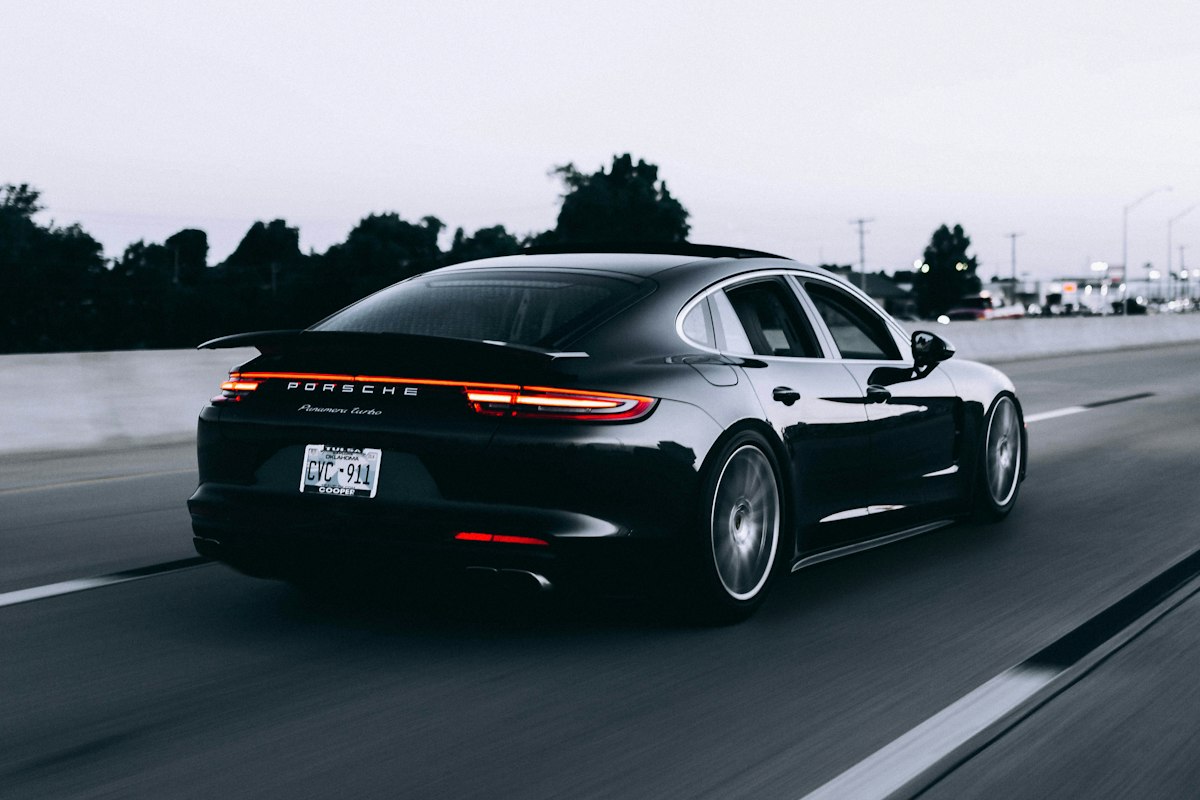
If you're importing a vehicle into the UK, you may need an Individual Vehicle Approval test before it can be registered. Here's what IVA involves and how to prepare.
What Is IVA and Who Needs It?
Individual Vehicle Approval (IVA) is a UK Government scheme, administered by the Driver and Vehicle Standards Agency (DVSA), that checks a single vehicle meets essential safety and environmental standards before it can be registered for road use in the UK. It exists primarily for vehicles that have not already been type-approved for the UK or EU market — most commonly imports from outside the EU, kit cars, and vehicles that have been substantially modified.
If you're importing a car from the USA, Canada, Japan or another non-EU market, it will very likely need to pass IVA (or the newer post-Brexit 'Approval Type' schemes) before the DVLA will issue a UK registration number. Vehicles imported from the EU that already hold a valid European Certificate of Conformity are generally exempt, as are used vehicles over ten years old imported for a customer's own personal use in certain circumstances, and vehicles brought in under the Mutual Recognition scheme where a similar approval already exists.
Because the rules differ depending on age, origin and vehicle type, it's important to check your specific case with DVSA or a specialist importer before committing to purchase a vehicle abroad — retrofitting a car to pass IVA can be costly if it wasn't built with UK requirements in mind from the outset.
What the IVA Test Actually Checks

The IVA inspection is far more detailed than a standard MOT. Inspectors examine dozens of areas including exterior projections and sharp edges, seatbelt anchorages, mirror positioning, headlamp aim and beam pattern (critical for US-spec cars designed for left-hand drive roads), noise and emissions levels, and the function of all safety systems such as brakes and lighting.
A common stumbling block for American imports is headlight configuration — US-market headlamps are designed to dip in the opposite direction to UK lamps, so many vehicles need adaptive lamp units, beam converters, or full headlamp replacement to pass. Similarly, speedometers calibrated in mph without a km/h scale, non-compliant rear fog lamps, and certain aftermarket exhaust systems are frequent failure points.
The test itself takes place at one of DVSA's regional test centres and typically takes around an hour, though preparation — sourcing the right parts, fitting rear fog lights, adjusting headlamps, and ensuring towbar or mirror compliance — can take considerably longer and is best planned before the vehicle even leaves its country of origin if possible.
Booking and Costs
IVA tests must be booked directly with the DVSA and currently cost between roughly £170 and £456 depending on the category of vehicle (passenger car, motorcycle, trailer, etc.) and whether you choose the Basic or Normal IVA scheme, which differ mainly in the level of paperwork and self-certification required from the applicant. Booking slots can take several weeks to become available at busier test centres, so it's worth booking as early as your preparation schedule allows.
If the vehicle fails, you have a limited window (usually 28 days) to have a free retest at the same centre provided the same faults are corrected; beyond that window, or for unrelated new faults, a new test fee applies. Because of this, most importers work with a specialist workshop experienced in IVA preparation for their specific vehicle type — the smallest overlooked detail, such as a missing reflector or incorrect mirror glass, can result in an unnecessary failure.
After IVA: Registering the Vehicle
Once your vehicle passes IVA, DVSA issues an approval certificate which you then submit to the DVLA alongside the standard registration paperwork — proof of identity, proof of address, the original import documents (including the C88/import declaration and evidence of duty and VAT paid), and payment of the first registration fee. The DVLA will then allocate a UK registration number and issue a new V5C.
For most imported cars this whole process, from IVA booking to receiving plates, takes between four and ten weeks depending on test centre availability and how quickly any remedial work is completed. Building this timeframe into your shipping plan avoids the situation where a car arrives at port ready to collect but cannot legally be driven on UK roads until the paperwork catches up.
How The Ship Cars Can Help
While we don't carry out IVA testing ourselves, our team routinely coordinates shipments for customers who need the vehicle to arrive with enough lead time before a booked test slot, and we can put you in touch with workshops experienced in IVA preparation for American, Japanese and other non-EU imports. Getting your logistics and compliance timelines aligned from the outset is one of the simplest ways to avoid unnecessary storage costs at the port of arrival.
Frequently Asked Questions
Does every imported car need an IVA test?
How much does an IVA test cost?
How long does the whole IVA and registration process take?
What is the most common reason vehicles fail IVA?
Ready to Ship Your Vehicle?
Get a free, no-obligation quote for international vehicle shipping from the UK. Check our destinations or use the cost calculator.
Written by
Zahir
SEO & Logistics Expert
Zahir is a seasoned SEO strategist and content writer specializing in international logistics, vehicle shipping, and automotive culture. With over a decade of experience in the shipping industry, he provides expert insights to help customers navigate the complexities of international vehicle transport.