
From placing your first bid on Copart to clearing customs at destination, here is the full process for importing an American auction car.
Why Buyers Import Cars from US Auctions
US auction platforms like Copart, IAAI and Manheim list an enormous volume of vehicles every week, from insurance write-offs and repossessions to fleet disposals and dealer trade-ins. The sheer scale of the American market means prices are often significantly lower than equivalent vehicles in Europe, Africa or the Middle East, particularly for popular models, trucks and salvage-title vehicles that can be economically repaired.
For buyers in countries with strong demand for American vehicles — pickup trucks in particular are prized across Africa, the Caribbean and parts of the Middle East — buying directly from a US auction and importing the car yourself can represent substantial savings over buying locally. However, the process involves several distinct stages, each with its own requirements, costs and potential pitfalls.
This guide walks through the full journey from registration to delivery, and applies whether you're a first-time private buyer or an experienced importer scaling up volume through multiple purchases.
Step 1: Registering and Bidding on an Auction Platform
To bid on Copart or IAAI directly, you typically need a membership, which may require a security deposit and, in some cases, a broker or agent if you don't hold a US dealer or business licence. Many international buyers choose to buy through a licensed broker rather than registering directly, which simplifies the paperwork considerably in exchange for a service fee.
Before bidding, thoroughly research the vehicle using the condition report, photographs and VIN history. Refer to our guide on inspecting auction cars before bidding for a full checklist. Set a maximum bid based on your total landed cost calculation, not just the hammer price, and stick to it — auction bidding can become emotional and it's easy to overpay in the final seconds.
Once you win the lot, you'll receive an invoice covering the hammer price plus buyer's premium and other fees, as detailed in our guide to the hidden costs of auction buying. Payment is typically required within a short window, often just a few business days.
Step 2: Title, Payment and Collection
After payment clears, the auction house releases the title (or a bill of sale for parts-only or non-titled vehicles) and the vehicle becomes available for collection from the storage yard. It's important to understand exactly what title type you're receiving — clean, salvage, rebuilt or non-repairable — as this affects both the export process and your ability to register the car in your destination country.
For export purposes, US Customs and Border Protection requires the original title (or a certified copy) to be presented at the port at least 72 hours before departure for most vehicles. Missing or delayed title paperwork is one of the most common causes of shipment delays, so start this process the moment you win the auction rather than waiting until shipping is booked.
Arrange collection from the auction yard promptly to avoid accruing storage fees. Many shipping companies, including The Ship Cars, offer direct pickup service from Copart and IAAI yards, transporting the vehicle straight to the departure port and handling the export paperwork on your behalf, which significantly simplifies this stage for overseas buyers.
Step 3: Shipping and Customs Export
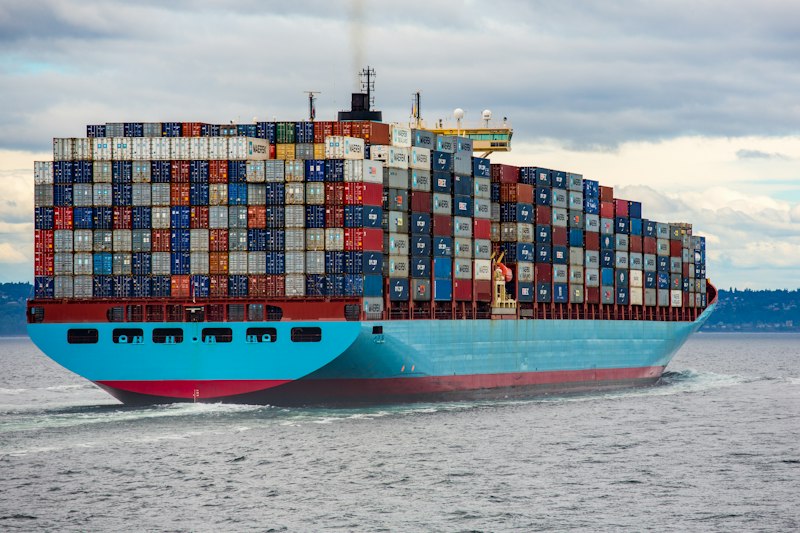
Once at the port, your vehicle will be booked onto either a RORO vessel (for running, drivable vehicles) or into a shipping container (typically required for non-running, salvage or high-value vehicles). Read our comparison of car shipping methods to understand which option suits your vehicle's condition and budget.
Before the vessel departs, US Customs requires an Automated Export System (AES) filing, and the vehicle undergoes a physical export inspection to confirm the VIN matches the title and paperwork. Any discrepancy at this stage can result in the shipment being held, so accuracy throughout the earlier stages of the process really does matter.
Transit times vary significantly by destination — expect around 3-4 weeks to West Africa, 4-6 weeks to the Middle East, and up to 6-8 weeks to Australia or parts of Asia, depending on sailing schedules and transhipment requirements at intermediate ports.
Step 4: Destination Customs Clearance and Registration
On arrival, your vehicle must clear customs in the destination country before you can take possession. This typically requires the original title, bill of lading, commercial invoice or bill of sale, and payment of any applicable import duty, VAT or GST. Many countries also require a roadworthiness inspection, particularly for older or salvage-title vehicles.
Some destinations impose specific restrictions on US-titled imports — for example, certain countries prohibit the import of vehicles with a salvage or rebuilt title outright, while others require an independent structural inspection and rebuilder's certificate before registration is possible. It's essential to confirm these rules for your specific destination before you even place your first bid, not after the car has arrived at port.
At The Ship Cars, our destination agents handle customs clearance on your behalf across all our served countries, working directly with local authorities to minimise delays and unexpected charges. We recommend engaging your shipping partner from the very start of the auction process, rather than treating shipping as an afterthought once you've already won the bid.
Common Mistakes to Avoid
The most frequent mistake international auction buyers make is underestimating total landed cost, as covered in our article on hidden auction costs. Always calculate hammer price, buyer's premium, domestic transport, ocean freight, insurance and destination duties before bidding, not after.
The second common mistake is buying a salvage-title vehicle without first confirming it's legally importable and registrable in your destination country. Rules change frequently and vary enormously between countries, so always verify current requirements rather than relying on outdated forum advice.
Finally, many buyers underestimate how quickly storage fees accumulate at the auction yard, or leave title paperwork until the last minute, both of which cause avoidable delays and costs. Planning your shipping and customs logistics before you bid, not after, is the single biggest factor separating a smooth import from a costly, stressful one.
Frequently Asked Questions
Do I need a US address to buy from Copart or IAAI?
How long does it take to import a car from a US auction?
Can I import a salvage title car from a US auction?
What documents do I need to release the car from the auction yard?
Is RORO or container shipping better for auction cars?
Ready to Ship Your Vehicle?
Get a free, no-obligation quote for international vehicle shipping from the UK. Check our destinations or use the cost calculator.
Written by
Zahir
SEO & Logistics Expert
Zahir is a seasoned SEO strategist and content writer specializing in international logistics, vehicle shipping, and automotive culture. With over a decade of experience in the shipping industry, he provides expert insights to help customers navigate the complexities of international vehicle transport.