

A thorough pre-bid inspection can save you thousands. Here's exactly what to check before you raise your paddle at any car auction.
Why Inspection Matters More at Auction
Buying at auction is fundamentally different from buying from a dealership forecourt. There is no warranty, no cooling-off period, and in most cases no opportunity to test drive the vehicle before you commit. Once the hammer falls, the car is yours — faults, surprises and all. This makes the pre-bid inspection the single most important step in the entire buying process, whether you're bidding in a physical saleroom or through an online platform such as Copart or IAAI.
Many buyers, especially those new to auctions, focus solely on the description and a handful of photographs. This is a mistake. Auction listings are written to sell, not to warn, and even accurate condition reports can miss underlying issues that only reveal themselves on a physical walk-around. If you plan to import an auction car from the USA or ship one internationally afterwards, a hidden mechanical problem becomes exponentially more expensive to fix once the car has crossed an ocean.
A proper inspection protects your budget in two ways: it helps you avoid catastrophic purchases, and it gives you leverage to bid accurately rather than emotionally. Buyers who inspect thoroughly tend to walk away with better cars at fairer prices, simply because they know what they're actually looking at.
Exterior and Bodywork Checks
Start with a slow walk around the entire vehicle in good natural light. Look along each body panel from a low angle — this reveals ripples, filler repairs and mismatched paint that are invisible from a standing position. Check panel gaps are even on both sides of the car; inconsistent gaps often indicate accident repair or a replaced panel.
Inspect the boot lid, bonnet and door shuts for overspray, a telltale sign of respraying after bodywork repair. Check the VIN plate matches the chassis number stamped elsewhere on the vehicle, and compare it against the auction listing and any accompanying paperwork. Rust deserves particular attention around wheel arches, sills, the base of doors and the boot floor — surface rust is manageable, but structural corrosion can be a deal-breaker.
Tyres tell an important story too. Uneven wear can indicate suspension or alignment problems, while mismatched tyre brands across axles suggest a car that has not been well maintained. Don't forget to check underneath the car if access is permitted — look for fluid leaks, exhaust damage, and any evidence of chassis or frame repair welds.
Interior, Mechanical and Electrical Checks
Inside the cabin, check wear on the seats, pedals and steering wheel against the claimed mileage. Heavily worn pedal rubbers on a car claiming low mileage is a red flag worth investigating further. Test every electrical function you can access — windows, mirrors, lights, infotainment screen and climate control — since electrical faults can be costly and time-consuming to diagnose after purchase.
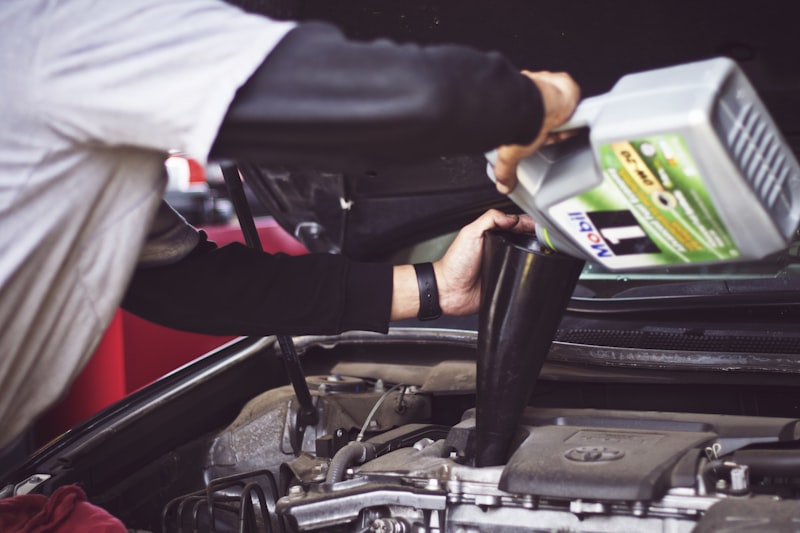
Where the auction allows engine access, check oil condition on the dipstick (dark, gritty oil suggests poor maintenance), look for coolant residue around the radiator and hoses, and inspect the engine bay for any obvious signs of a recent quick repair, such as fresh sealant or mismatched bolts. If the auction permits starting the engine, listen for unusual noises, excessive smoke on start-up, and check whether the engine idles smoothly.
For salvage and insurance auction vehicles in particular, always request the full salvage title history and damage report. Categories such as flood damage, fire damage or frame damage carry very different repair implications, and a car that looks cosmetically fine can still hide serious structural or electrical problems from water ingress.
Using Condition Reports and Third-Party Inspectors
Most major auction platforms, including Copart, IAAI and Manheim, publish condition reports and multiple photographs for every lot. Read these carefully, cross-referencing the stated damage against the images provided. Pay close attention to run-and-drive status, primary and secondary damage descriptions, and any keys or documentation notes, as missing keys or title issues can significantly complicate both purchase and export.
If you cannot physically attend the auction — which is common when buying from overseas auctions — consider hiring an independent third-party inspection service. These companies will physically attend the pre-auction viewing, photograph the vehicle in detail, start the engine where possible, and provide you with an honest, unbiased report before you commit to bidding.
The cost of a third-party inspection, typically $75–$150 in the US, is trivial compared to the risk of buying a car with undisclosed structural damage. Many experienced international buyers treat this step as non-negotiable, particularly for higher-value lots or vehicles they haven't been able to view in person.
Checking Auction History and Paperwork
Beyond the physical inspection, request a vehicle history report using the VIN. Services such as Carfax or AutoCheck in the US reveal previous accident records, number of owners, odometer discrepancies and prior salvage titles. This is essential due diligence that complements — but never replaces — a physical inspection.
Confirm exactly what title type the vehicle carries. Clean, salvage, rebuilt and parts-only titles all carry very different values and import implications. A parts-only title, for example, may not be legally importable or road-registrable in your destination country, so always clarify this before bidding, especially if your plan involves buying at auction without a dealer licence through a licensed broker.
Finally, factor in the cost and logistics of getting the car from the auction yard to a port for shipping. At The Ship Cars, we regularly coordinate collection directly from Copart and IAAI yards across the US, so ask your shipping partner in advance whether they offer this service — it saves considerable time and hassle once you've won your lot.
Frequently Asked Questions
Can I test drive a car before bidding at auction?
Is it worth paying for a third-party inspection?
What is the most important thing to check on a salvage car?
Should I check the VIN before bidding?
Ready to Ship Your Vehicle?
Get a free, no-obligation quote for international vehicle shipping from the UK. Check our destinations or use the cost calculator.
Written by
Zahir
SEO & Logistics Expert
Zahir is a seasoned SEO strategist and content writer specializing in international logistics, vehicle shipping, and automotive culture. With over a decade of experience in the shipping industry, he provides expert insights to help customers navigate the complexities of international vehicle transport.