
From missing paperwork to underestimating destination charges, here are the mistakes that most often turn a smooth shared container shipment into a costly headache.
Mistake 1: Comparing Quotes on Freight Rate Alone

The single most expensive mistake is choosing a provider purely on the headline freight figure without checking what's excluded. Shared container quotes often omit terminal handling charges, documentation fees, destination devanning costs, and customs clearance charges — all of which can add several hundred pounds to the real total.
A quote of £950 that excludes £600 of destination charges is more expensive than a quote of £1,300 that includes them, but customers rarely find this out until the container has already sailed and the destination agent presents an invoice. Always ask for a full landed-cost breakdown in writing before booking, itemising origin charges, freight, insurance, and an estimate of destination fees.
If a provider is reluctant to break down their pricing this way, treat it as a warning sign rather than a minor inconvenience — transparency at the quoting stage is usually a good indicator of transparency throughout the shipment.
Mistake 2: Skipping Marine Insurance
Some customers assume their UK car insurance or the shipping company's general liability covers loss or damage in transit. It doesn't. Standard motor insurance policies do not extend to international sea transport, and a shipping line's liability under a bill of lading is usually capped at a low statutory amount that falls far short of a vehicle's actual value.
Marine transit insurance typically costs 1–2% of the declared value — often £150–£400 for a standard car — and is the only reliable way to recover the vehicle's value in the rare event of total loss, fire, or serious damage during the voyage. Skipping it to save a few hundred pounds is a gamble few can genuinely afford to lose.
Make sure any policy you take out explicitly covers the shared container/LCL scenario, since some generic marine policies are written with FCL cargo in mind and may have exclusions relevant to consolidated shipments.
Mistake 3: Not Documenting the Vehicle's Condition
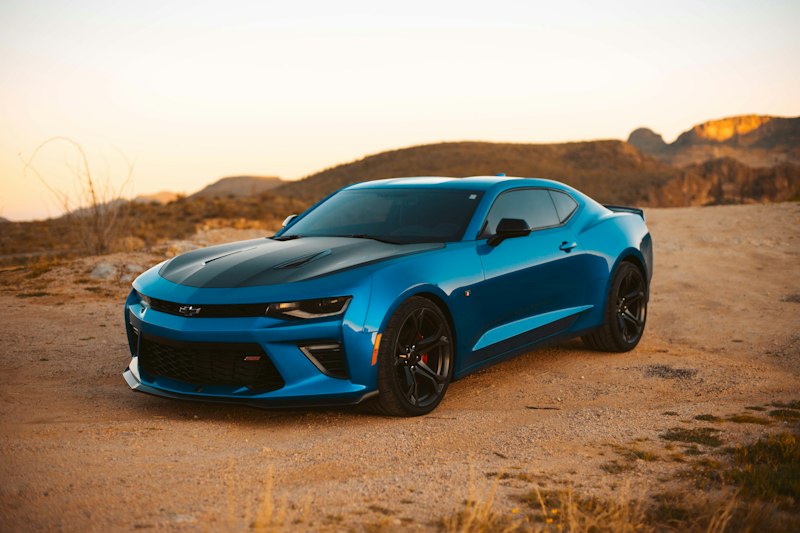
Without timestamped photographs taken immediately before the vehicle enters the container, it's extremely difficult to prove any damage occurred during shipping rather than before it. This is the single most common reason legitimate damage claims get rejected or reduced.
Take clear photos of all four exterior panels, the roof, the interior, the odometer reading, and any existing scratches, dents, or wear from multiple angles, ideally with a dated newspaper or phone screen visible in shot. Request that your shipping provider also photograph the vehicle at loading and share these with you — reputable operators do this as standard practice.
Keep these records until the vehicle has been collected at destination and inspected, not just until the voyage is confirmed complete, since damage sometimes only becomes apparent once the vehicle is driven again.
Mistake 4: Ignoring Destination Import Rules Before Booking
Many countries impose vehicle age limits, steering position restrictions, or emissions requirements that determine whether a car can legally be imported at all. Shipping first and discovering the vehicle is ineligible on arrival is one of the costliest mistakes possible, potentially resulting in the car being refused entry, re-exported at the owner's expense, or auctioned by customs.
Before booking, check your destination country's specific rules — for example, several West African nations restrict imports of vehicles over eight or ten years old, while others require a roadworthiness or pre-shipment inspection certificate issued in the country of origin.
A reliable shipping partner should be able to confirm these rules for your specific destination before you commit to a booking, not after the vehicle has already been loaded.
Mistake 5: Underestimating Consolidation and Transit Timelines

Shared container shipments depend on a consolidator gathering enough cargo to fill the container before it sails, and this can add days or weeks beyond the sailing schedule itself. Customers who book based on the fastest-case scenario, particularly when timing a shipment around a house move or a family event abroad, often end up frustrated when reality runs longer.
Ask your provider for realistic historical consolidation times on your specific route, not just the shortest time they've ever achieved. High-volume routes to Nigeria or the UAE typically consolidate within a week or two; quieter routes to smaller Caribbean or Pacific ports can take considerably longer.
Build in a buffer of at least two to three weeks beyond the quoted transit time when planning around a fixed deadline, and consider whether a dedicated container or RORO service might better suit a hard deadline if one exists on your route.
Mistakes 6–9: Loose Items, Fuel Levels, Missing Paperwork and No Destination Agent
Several smaller but still costly mistakes round out the list. Leaving loose personal items in the car without declaring them can breach customs regulations and cause delays or fines at destination, since undeclared goods may be treated as unmanifested cargo. Always declare anything packed inside the vehicle explicitly on your shipping documents.
Leaving too much fuel in the tank is a genuine safety and compliance issue — most shipping lines require fuel to be reduced to around a quarter tank or less before loading, and non-compliant vehicles can be refused at the terminal, causing missed sailings.
Missing or incorrect paperwork — particularly a V5C logbook that doesn't match the seller's or owner's name, or an export declaration filed late — is a frequent cause of shipments being held at the origin port. And finally, arriving at destination without a nominated clearing agent leaves customers navigating unfamiliar customs processes alone, often resulting in unnecessary storage charges while they scramble to arrange clearance after the fact. Confirm a destination agent before the container even leaves the UK.
Frequently Asked Questions
What's the most common mistake when shipping a car in a shared container?
Is marine insurance really necessary for shared container shipping?
How can I prove my car was damaged during shipping rather than before?
Why did my consolidated shipment take longer than expected?
Ready to Ship Your Vehicle?
Get a free, no-obligation quote for international vehicle shipping from the UK. Check our destinations or use the cost calculator.
Written by
Zahir
SEO & Logistics Expert
Zahir is a seasoned SEO strategist and content writer specializing in international logistics, vehicle shipping, and automotive culture. With over a decade of experience in the shipping industry, he provides expert insights to help customers navigate the complexities of international vehicle transport.