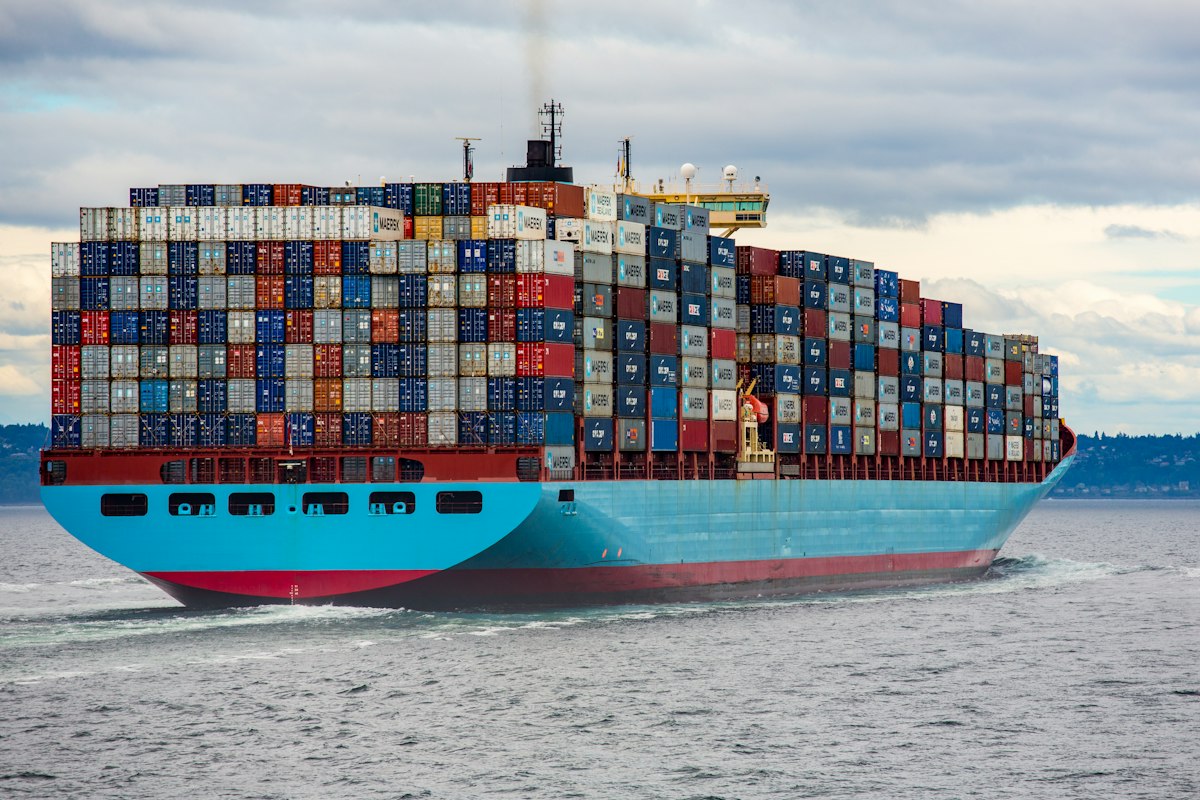
What does shared container shipping really cost in 2026? We break down every line item, from freight rates to destination handling fees.
Why Shared Container Pricing Is Structured Differently
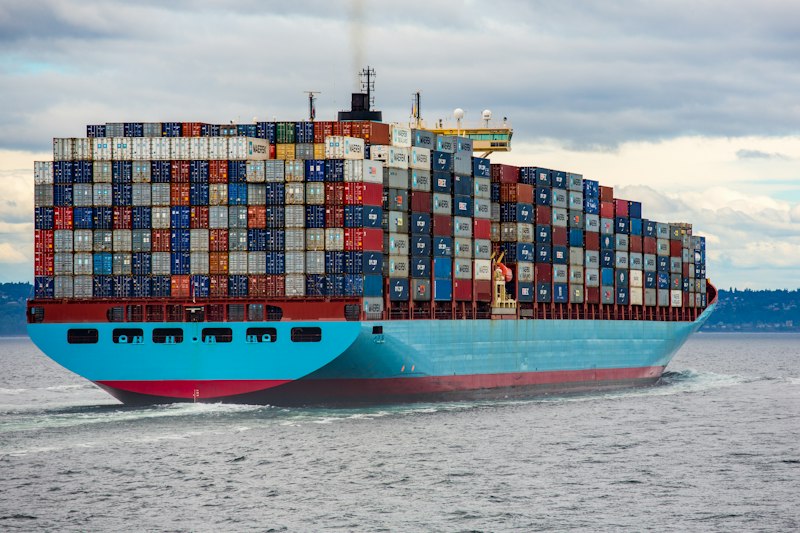
Unlike RORO shipping, where you're quoted a single flat rate per vehicle, shared container shipping is priced by volume — typically cubic metres (CBM) or a proportion of a 20ft or 40ft container. This is because you're only paying for the space your vehicle actually occupies inside a container shared with other customers' cargo, rather than the whole box.
In 2026, UK freight rates remain sensitive to fuel surcharges, container availability, and seasonal demand spikes around Ramadan shipping to the Middle East and pre-Christmas cargo to West Africa. A standard family saloon takes up roughly 8–10 CBM once wheel clearance and securing space are accounted for, and most consolidators quote per CBM rather than per vehicle, so it pays to know your car's rough dimensions before requesting quotes.
This guide breaks the total landed cost into its component parts so you can see exactly where your money goes and compare quotes properly, rather than comparing headline freight figures that may exclude several mandatory charges.
Origin Charges: Collection, Documentation and Loading
Before your vehicle even reaches the port, there are origin-side costs. Collection or transport to the consolidation warehouse typically runs £80–£200 depending on distance from your postcode to the nearest hub (usually Tilbury, Southampton, or Birmingham). If you can deliver the vehicle yourself, this cost disappears.
Export documentation — the export declaration, bill of lading preparation, and any DVLA notification if the vehicle is being permanently exported — is usually bundled into the service fee and runs £50–£120. Loading and lashing inside the shared container, including wheel chocking and securing straps, typically adds £100–£180 per vehicle.
Some operators also charge a terminal handling charge (THC) at origin, separate from the freight rate, which covers the cost of moving the container within the port itself. This is often £150–£250 per shipment and is one of the most commonly omitted line items in headline quotes, so always ask whether THC is included.
The Freight Rate Itself
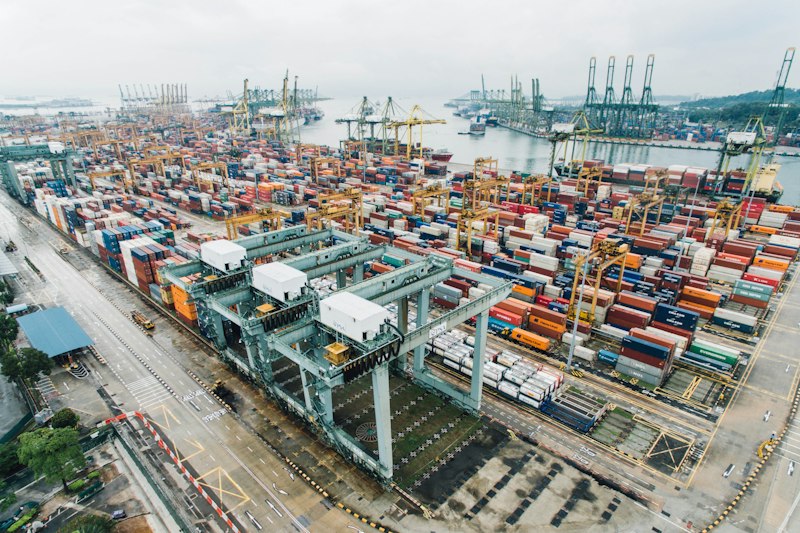
The core sea freight charge for a standard car in a shared container from the UK in 2026 typically ranges as follows: £950–£1,300 to West Africa (Lagos, Tema, Cotonou), £1,100–£1,600 to the UAE and wider Gulf, £1,400–£1,900 to East Africa (Mombasa, Dar es Salaam), and £1,300–£1,800 to the Caribbean. Rates to Pakistan and India tend to sit between £1,000 and £1,500.
These figures assume a standard saloon or hatchback under 5 metres in length. Larger vehicles — SUVs, pickups, and vans — are charged pro-rata on volume, so expect to pay 20–40% more for a large SUV than for a supermini on the same route.
Fuel and currency adjustment factors (BAF and CAF) are usually added on top of the base freight rate and can add another 5–15%, fluctuating monthly with oil prices and exchange rates. A transparent quote should show these separately rather than folding them silently into a single number.
Destination Charges You Must Budget For
This is where many customers get caught out, because destination charges are set by the port and customs authority in the receiving country, not by the UK shipper, and can vary significantly. Expect to pay destination terminal handling, container unpacking/devanning fees (since a shared container must be fully unloaded to retrieve your vehicle), port storage if collection is delayed, and customs clearance agent fees.
In Nigeria, for example, destination charges including terminal handling and clearing agent fees commonly total £400–£700 on top of import duty, which is calculated separately based on the vehicle's assessed value and age. In the UAE, destination handling tends to be lower, often £150–£300, reflecting a more streamlined port process.
We strongly recommend requesting a destination cost estimate from your receiving agent before shipping, since these charges are outside the UK shipper's control and vary by port congestion, exchange rates, and local regulation changes.
Insurance, Extras and the Realistic Total

Marine transit insurance is the one cost nobody should skip. It typically runs 1–2% of the vehicle's declared value, so £150–£400 for most cars, and covers total loss or damage during the voyage — something general motor insurance does not cover once the vehicle leaves UK shores.
Putting it all together, a realistic all-in landed cost for shipping a mid-size saloon from the UK to Lagos via shared container in 2026 looks something like: £120 collection + £150 THC/documentation + £1,150 freight + £120 fuel surcharge + £250 insurance + £550 destination charges = roughly £2,340, before local import duty is applied. That duty itself can range from 20% to 70% of assessed vehicle value in some West African markets, so it's often the single largest cost in the whole chain.
The headline lesson is simple: never compare shipping quotes on freight rate alone. Ask for a full landed cost breakdown including origin, freight, and destination charges, and always confirm what's excluded so there are no surprises when your vehicle arrives.
Frequently Asked Questions
How much does shared container shipping cost from the UK in 2026?
Are destination charges included in shipping quotes?
Is import duty included in the shipping cost?
How much should I budget for marine insurance?
Why do quotes vary so much between shipping companies?
Ready to Ship Your Vehicle?
Get a free, no-obligation quote for international vehicle shipping from the UK. Check our destinations or use the cost calculator.
Written by
Zahir
SEO & Logistics Expert
Zahir is a seasoned SEO strategist and content writer specializing in international logistics, vehicle shipping, and automotive culture. With over a decade of experience in the shipping industry, he provides expert insights to help customers navigate the complexities of international vehicle transport.