

From Copart to IAAI and beyond, here's how the leading US salvage car auctions compare for inventory, fees and international buyer access.
Why the USA Dominates the Salvage Auction Market
The United States operates the largest and most established salvage vehicle auction industry in the world, driven by a combination of high vehicle ownership rates, a robust insurance write-off process, and well-developed digital auction infrastructure. Millions of vehicles pass through salvage auctions annually, ranging from minor cosmetic damage to total structural write-offs, fleet returns and repossessions.
This huge inventory scale creates significant opportunity for international buyers, who can often find specific makes and models — particularly American trucks, SUVs and popular sedans — at prices well below what's achievable in their home markets. However, not all auction platforms operate the same way, and understanding the differences is essential before you commit to bidding on any specific one.
Before diving into individual platforms, it's worth reviewing our guide on inspecting auction cars before bidding, as inspection standards and condition report quality vary noticeably between different auction houses.
Copart: The Largest Salvage Auction Network
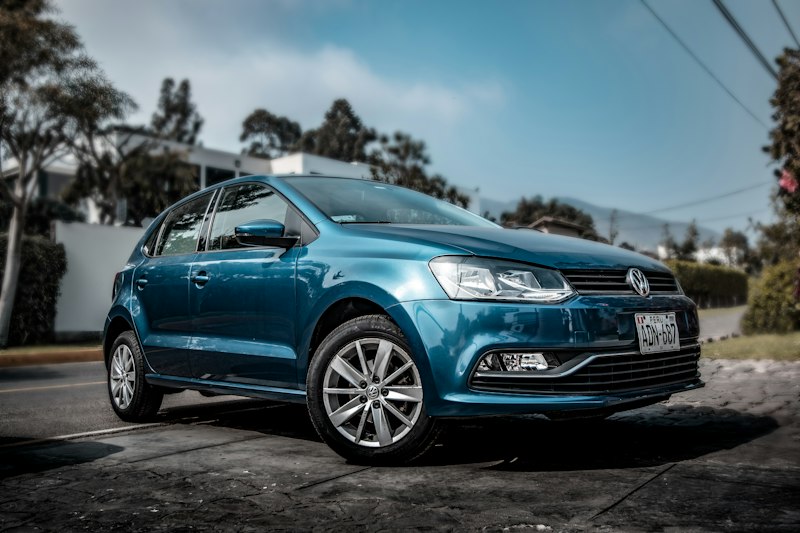
Copart operates hundreds of physical yards across the United States and lists the widest range of salvage, insurance and fleet vehicles of any platform. Its online bidding system is highly developed, offering detailed condition reports, extensive photo sets, and in many cases a 360-degree image viewer for each lot.
Copart's Member fee structure includes a registration deposit and access-based membership tiers, alongside its buyer's premium schedule which varies by sale price bracket. International buyers frequently access Copart through licensed brokers rather than direct registration, particularly when they don't hold a US dealer licence, as covered in our guide to buying without a dealer licence.
Copart's sheer inventory scale is its biggest advantage — on any given day, thousands of vehicles across nearly every make and model are listed nationwide, giving buyers unmatched choice. The trade-off is that competition for desirable lots can be intense, particularly for popular trucks and SUVs.
IAAI (Insurance Auto Auctions)
IAAI is Copart's primary competitor and operates on a broadly similar model, with a strong network of insurance company relationships that feeds a steady stream of accident-damaged and total-loss vehicles into its listings. IAAI's platform tends to have a slightly different mix of inventory, with certain insurers and regions favouring one platform over the other.
IAAI's fee structure similarly includes buyer's premiums on a sliding scale plus additional service and processing fees. Many international buyers register with both Copart and IAAI to maximise their access to available inventory, since specific vehicles of interest may only appear on one platform at any given time.
One notable difference buyers often report is in condition report thoroughness and photo quality, which can vary lot by lot on both platforms rather than being consistently better on either. As with any salvage auction, always cross-reference the listing against a full VIN history check before bidding.
Manheim and Other Dealer-Focused Auctions
Manheim primarily serves the dealer wholesale market rather than salvage specifically, though it does list some damaged and off-lease vehicles alongside clean-title trade-ins and fleet disposals. Access to Manheim typically requires a dealer licence or arrangement through a licensed buying agent, making it less accessible to casual international buyers compared to Copart or IAAI.
Regional and independent salvage auctions also exist across the US, often specialising in specific vehicle categories such as motorcycles, RVs, or heavy equipment, or serving a particular geographic area with strong local pricing knowledge. These smaller platforms can occasionally offer better value due to reduced competition, but typically carry lower inventory volumes and less sophisticated online bidding infrastructure.
For buyers specifically targeting bulk or fleet-style purchases, some auctions offer dealer-only or wholesale sale events with different fee structures entirely. These typically require established buyer relationships and are less relevant for individual private buyers importing a single vehicle.
Choosing the Right Platform for Your Purchase
The right auction platform depends on what you're looking for. For maximum inventory choice and the most mature international buyer support infrastructure, Copart and IAAI remain the dominant choices, together representing the vast majority of the US salvage auction market. Registering with both, either directly or through a broker, maximises your visibility into available inventory.
Always factor the full cost structure — covered in detail in our guide to hidden auction costs — into your platform choice, since fee schedules genuinely differ between Copart and IAAI and can affect your final landed cost meaningfully across multiple purchases.
Once you've won your vehicle on any platform, arranging prompt collection and export logistics is essential to avoid storage fee accumulation. At The Ship Cars, we regularly coordinate direct pickups from Copart and IAAI yards nationwide, streamlining the path from winning bid to international shipment for buyers around the world.
Frequently Asked Questions
Which US salvage auction has the most inventory?
Can international buyers access Copart and IAAI directly?
Is Manheim a good option for salvage vehicles?
Do fees differ significantly between Copart and IAAI?
Should I register with more than one auction platform?
Ready to Ship Your Vehicle?
Get a free, no-obligation quote for international vehicle shipping from the UK. Check our destinations or use the cost calculator.
Written by
Zahir
SEO & Logistics Expert
Zahir is a seasoned SEO strategist and content writer specializing in international logistics, vehicle shipping, and automotive culture. With over a decade of experience in the shipping industry, he provides expert insights to help customers navigate the complexities of international vehicle transport.