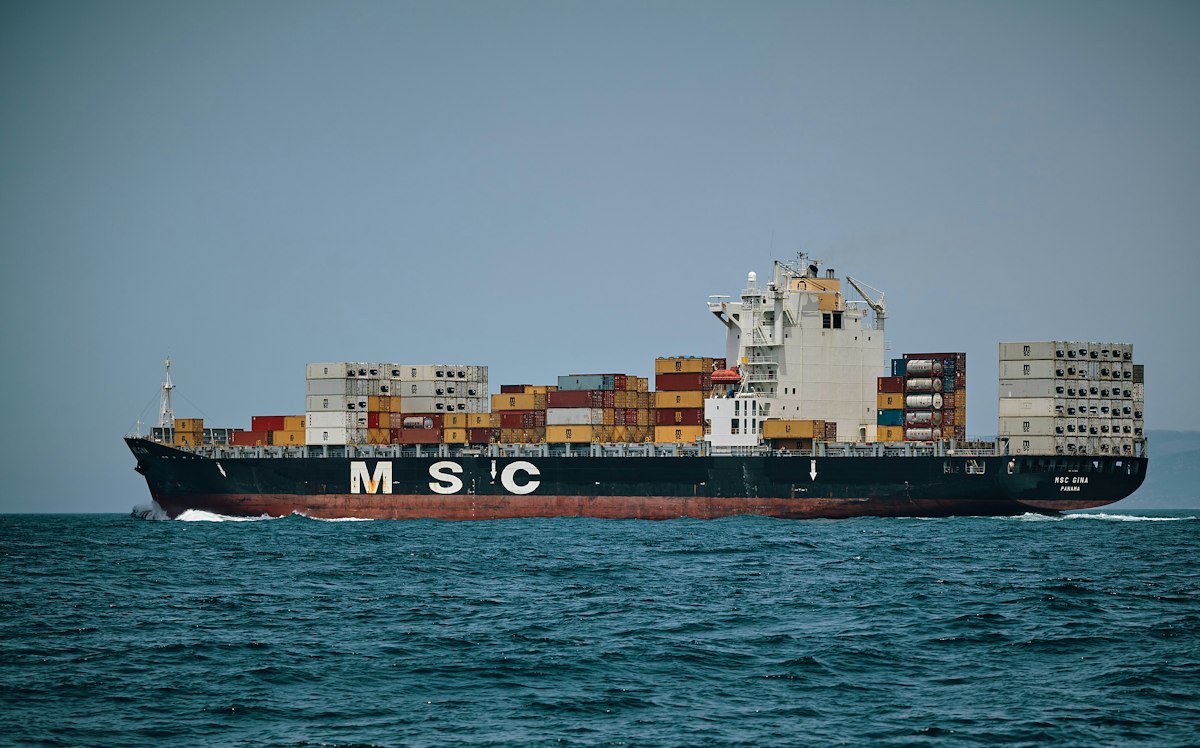
From booking to collection abroad, here's exactly what happens at each stage of a shared container car shipment, explained step by step.
Step 1: Getting a Quote and Booking

The process starts with providing your vehicle's make, model, approximate dimensions, running condition, and destination port. Because shared container pricing is based on volume rather than a flat per-vehicle rate, accurate dimensions matter — a larger SUV or van will take up proportionally more space and cost more than a supermini on the same route.
Once you accept a quote, you'll typically pay a deposit to secure your booking and receive a delivery window — a date range within which your vehicle needs to arrive at the consolidation warehouse near the departure port. This window exists because consolidators plan container fills around expected cargo arrival dates across multiple customers, not just yours.
At this stage it's worth confirming exactly what's included in the quote — freight only, or freight plus origin handling and documentation — and asking for an estimate of destination-side charges so you have a realistic total cost picture before committing.
Step 2: Delivery to the Consolidation Warehouse
You can either drive the vehicle to the warehouse yourself or arrange collection, typically for an additional fee based on distance. Common UK consolidation points include facilities near Tilbury, Southampton, Sheerness and Grimsby, chosen for their proximity to the ports these routes depart from.
On arrival, the vehicle undergoes a condition inspection, with staff photographing all exterior panels, the interior, and the odometer reading. This creates a baseline record that protects both you and the shipping company in the event of any dispute over damage later in the process.
At this point, if you're shipping personal effects alongside the vehicle, these are typically packed into the car itself or loaded as separate boxed cargo alongside it in the container, subject to weight and customs declaration requirements you'll have discussed when booking.
Step 3: Preparation for Loading

Before loading, the vehicle is prepared according to standard shipping requirements: the battery is disconnected or isolated to prevent drain or electrical faults during transit, the fuel tank is reduced to roughly a quarter or less for safety compliance, and any aftermarket alarm is disabled to avoid it triggering unexpectedly inside a sealed container.
Loose items not part of a declared personal effects shipment are removed, since undeclared cargo can cause issues at customs. If the vehicle isn't running, arrangements are made for forklift or winch loading rather than driving it directly into the container.
This preparation stage typically happens within a day or two of the vehicle's arrival at the warehouse, ahead of the actual loading date, which depends on when enough other cargo has been gathered to fill the container.
Step 4: Loading, Securing and Sealing the Container
Once a container is ready to be filled — meaning enough cargo bound for the same destination has arrived — vehicles and other cargo are loaded in a sequence designed to maximise space and stability, with heavier or lower items typically positioned to keep the load balanced. Wheel chocks, ratchet straps rated for marine transit, and timber blocking secure each vehicle in place to prevent movement during the voyage.
Once loading is complete, the container doors are closed and a numbered security seal is fitted — this seal number is recorded on the bill of lading and should not be broken until the container reaches its destination and clears customs, providing a simple but effective way to confirm the container hasn't been tampered with in transit.
A reputable operator will photograph the finished, secured load before sealing and share this with each customer whose cargo is inside, giving you visual confirmation of how your vehicle was positioned and secured.
Step 5: The Voyage, and Step 6: Arrival and Collection

The sealed container is transported to the port and loaded onto the vessel for its scheduled sailing. You'll receive a bill of lading confirming the vessel name, container number, and seal number, along with an estimated arrival date at the destination port — transit times vary widely, from around two weeks for European or nearby African routes to three to five weeks for longer voyages to the Caribbean, Pacific, or parts of Asia.
On arrival, the container goes through customs clearance, which for shared containers involves verifying the manifest against everything inside, since multiple shippers' cargo needs to be individually accounted for before any of it can be released. This step typically takes longer than for a dedicated container carrying a single shipment, precisely because of this manifest verification and the physical devanning required to unpack multiple items.
Once cleared, the container is devanned — fully unloaded — and your vehicle is released to you or your nominated agent for collection, usually after payment of any outstanding destination charges and import duty. Having a clearing agent arranged in advance, rather than starting that search once the container has already arrived, significantly speeds up this final stage.
Frequently Asked Questions
How long does it take to book a shared container shipment?
What happens if my vehicle isn't running?
How do I know my vehicle wasn't tampered with during the voyage?
Why does collection take longer with a shared container than a dedicated one?
Ready to Ship Your Vehicle?
Get a free, no-obligation quote for international vehicle shipping from the UK. Check our destinations or use the cost calculator.
Written by
Zahir
SEO & Logistics Expert
Zahir is a seasoned SEO strategist and content writer specializing in international logistics, vehicle shipping, and automotive culture. With over a decade of experience in the shipping industry, he provides expert insights to help customers navigate the complexities of international vehicle transport.