
The turbo vs naturally aspirated debate divides enthusiasts. We break down the real differences to help you choose your ideal sports car.
Two Philosophies of Performance
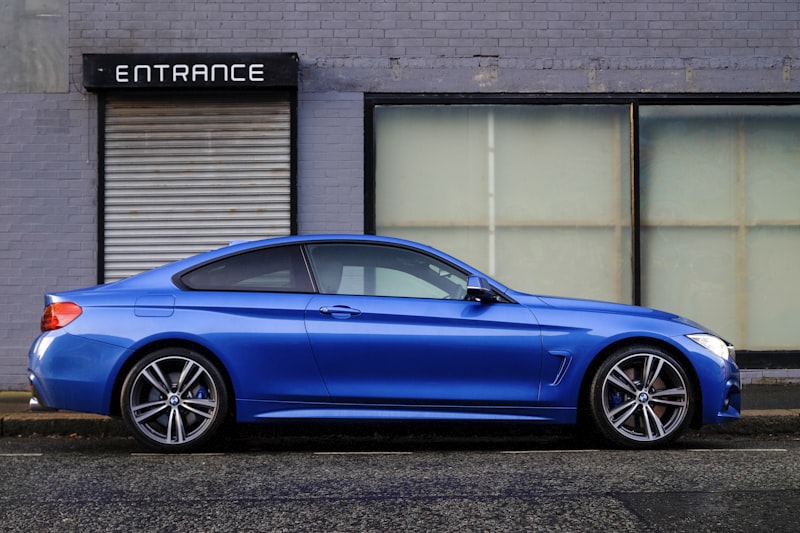
Few debates generate as much passion among car enthusiasts as turbocharged versus naturally aspirated engines. Both approaches can deliver exhilarating performance, but they do so in fundamentally different ways, and the choice has significant implications for driving character, reliability, running costs, and even long-term value — all factors worth considering whether you're buying your first sports car or preparing to import an enthusiast car from overseas.
Naturally aspirated engines rely purely on atmospheric pressure to draw air into the cylinders, producing power that builds progressively and predictably as revs climb. Turbocharged engines use exhaust gases to spin a turbine that forces additional air into the engine, allowing smaller-displacement units to produce power figures that would once have required a much larger naturally aspirated engine.
The Case for Naturally Aspirated Engines
Enthusiasts frequently cite throttle response as the naturally aspirated engine's greatest strength. Without a turbocharger's lag between throttle input and boost delivery, power arrives instantly and predictably, making these engines particularly rewarding on twisting roads and race circuits where precise modulation matters.
Naturally aspirated engines also tend to rev higher and produce more distinctive, linear soundtracks — a key part of the appeal for cars like the Honda S2000, Porsche's naturally aspirated flat-sixes, and various Italian V8s and V10s. From a reliability standpoint, the absence of a turbocharger, intercooler, and associated plumbing removes several potential failure points, and naturally aspirated engines often prove simpler and cheaper to maintain over the long term.
The Case for Turbocharged Engines
Turbocharging has become the default approach across the performance car industry for good reason. Smaller turbocharged engines produce comparable or greater power than larger naturally aspirated units while consuming less fuel and emitting fewer emissions when driven gently — an increasingly important consideration as global emissions regulations tighten.
Modern turbocharged engines have also largely overcome the lag issues that plagued earlier designs, with advances like twin-scroll turbines, electric-assisted turbochargers, and sophisticated engine management delivering near-instant response. Cars like the Porsche 911 Turbo, BMW M cars, and Mercedes-AMG's turbocharged range demonstrate that modern forced induction can deliver both explosive performance and everyday usability.
Reliability and Maintenance Considerations

When buying a used performance car, engine type has direct implications for long-term ownership costs. Turbocharged engines run hotter and under greater mechanical stress, making regular oil changes with high-quality synthetic oil essential to prevent turbocharger bearing wear and carbon build-up. Buyers should always check for evidence of regular servicing and look out for signs of excessive turbo lag, smoke, or boost leaks during a test drive.
Naturally aspirated engines are generally more forgiving of maintenance lapses and tend to have fewer failure-prone ancillary components, but they are not without their own concerns — variable valve timing systems, high-revving valvetrains, and complex intake manifolds on some performance-focused naturally aspirated engines can still present expensive repair bills if neglected.
Which Should You Choose?
There's no universally correct answer — the right choice depends on your priorities. If you value outright involvement, predictable power delivery, and a raw connection to the engine, a naturally aspirated sports car like a Mazda MX-5, Toyota GT86, or older Porsche Boxster will likely appeal more. If you prioritise outright performance, real-world usability, and fuel efficiency alongside strong power, a turbocharged option such as a BMW M2, Audi TT RS, or Porsche 911 Turbo makes more sense.
Many buyers ultimately end up owning examples of both across their motoring lives, and the used market currently offers excellent value across both categories, particularly as manufacturers continue transitioning toward hybrid and electric powertrains.
Shipping Considerations for Performance Engines
Whichever type of engine your chosen sports car uses, the shipping process itself remains broadly similar, though turbocharged vehicles with aftermarket modifications such as larger turbos, uprated intercoolers, or lowered suspension may require additional care during loading. It's important to disclose any modifications to your shipping provider in advance so appropriate handling and insurance arrangements can be made.
At The Ship Cars, our team has extensive experience shipping everything from bone-stock naturally aspirated classics to heavily modified turbocharged performance cars, using both RORO and container methods depending on the vehicle's specific needs. Use our cost calculator to get an instant estimate for your next shipment.
Frequently Asked Questions
Are turbocharged engines less reliable than naturally aspirated ones?
Do naturally aspirated cars hold their value better?
Can I ship a modified turbocharged car overseas?
Which is better for daily driving, turbo or naturally aspirated?
Ready to Ship Your Vehicle?
Get a free, no-obligation quote for international vehicle shipping from the UK. Check our destinations or use the cost calculator.
Written by
Zahir
SEO & Logistics Expert
Zahir is a seasoned SEO strategist and content writer specializing in international logistics, vehicle shipping, and automotive culture. With over a decade of experience in the shipping industry, he provides expert insights to help customers navigate the complexities of international vehicle transport.