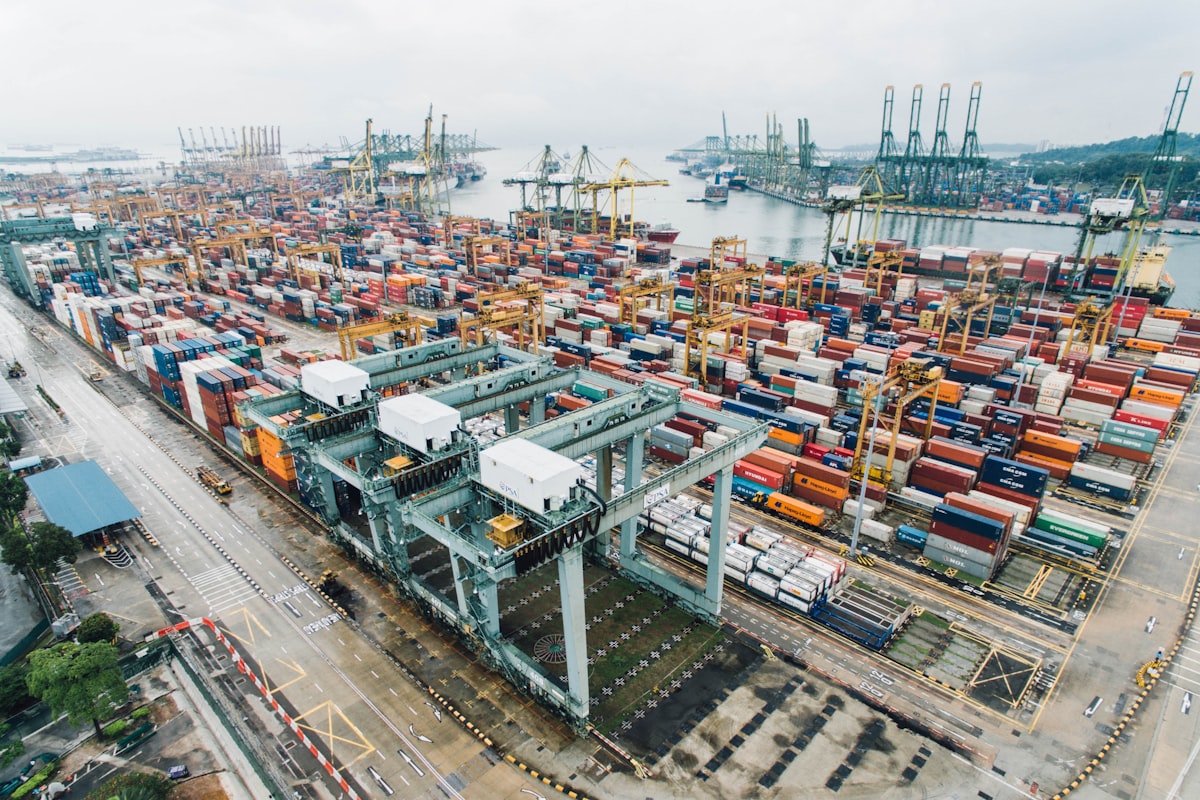
Port handling fees appear on almost every vehicle shipping invoice, yet few buyers understand what they cover. Here's what THC actually pays for.
What Terminal Handling Charges Cover
Terminal Handling Charge (THC), also called port handling fees, covers the cost of moving your vehicle within the port itself: crane or ramp loading onto the vessel, positioning within the hold, gate processing, and terminal security. It is separate from ocean freight, which only covers the sea transit between ports. At Southampton, origin THC for a standard saloon typically runs £120–£220, depending on the carrier and vehicle size.
Origin vs Destination Handling Fees
You'll usually see two separate handling charges on a full quote: origin THC in the UK and destination THC at the arrival port. Destination fees vary enormously by country — ports with older infrastructure or heavier congestion, such as Lagos or Mombasa, often charge higher handling fees than modern European or Gulf terminals. Always ask whether your quote is CIF and DTHC-inclusive (Destination Terminal Handling Charge included) or DTHC-collect, meaning you'll pay it locally on arrival.
Why Fees Vary by Vehicle Type
Handling fees scale with vehicle size and shipping method. Oversized vehicles like motorhomes or 4x4s with roof modifications often attract a handling surcharge because they require additional crane time or careful ramp manoeuvring. Container shipments generally incur different handling structures — you pay a container handling fee rather than a per-vehicle RoRo fee, which can work out cheaper for shared container shipments split between several vehicles.
Hidden Extras to Watch For
Beyond basic THC, some ports levy additional charges: documentation fees, security scanning fees, and 'wharfage' or dock dues calculated per tonne. These are typically small individually (£20–£60 each) but can add £100–£250 to a final invoice if not disclosed upfront. Always request an itemised quote before booking rather than a single lump-sum figure.
Typical Total Handling Costs by Route
For popular UK export lanes, expect combined origin and destination handling fees of roughly £250–£450 to Western Europe, £350–£600 to the Gulf or East Africa, and £400–£700 to more remote or congested destination ports. These figures sit on top of, not included in, the core ocean freight rate, so always ask for a full landed-cost breakdown.
Frequently Asked Questions
What is THC in vehicle shipping?
Is THC included in the freight quote?
Why do handling fees vary so much between ports?
Do oversized vehicles pay more in handling fees?
How can I avoid surprise handling charges?
Ready to Ship Your Vehicle?
Get a free, no-obligation quote for international vehicle shipping from the UK. Check our destinations or use the cost calculator.
Written by
Zahir
SEO & Logistics Expert
Zahir is a seasoned SEO strategist and content writer specializing in international logistics, vehicle shipping, and automotive culture. With over a decade of experience in the shipping industry, he provides expert insights to help customers navigate the complexities of international vehicle transport.