
A complete breakdown of every cost involved in shipping a car internationally from the UK in 2026, from collection through to destination clearance.
Why Headline Freight Prices Rarely Tell the Full Story
One of the most common frustrations customers face when researching international car shipping is that headline freight quotes rarely reflect the true total cost of getting a vehicle from a UK driveway to its final destination overseas. Ocean freight is usually only one component of a multi-part cost structure that also includes UK collection, port handling on both ends, insurance, customs clearance, and destination-country duties and taxes.
Understanding each of these components in detail helps you budget accurately and compare quotes from different shipping companies on a like-for-like basis, rather than being drawn to the lowest headline number that may exclude significant costs which only become apparent later in the process.
UK Collection and Origin Handling
The journey begins with collection of your vehicle from its UK location, whether that's a home address, dealership, or auction house. Collection costs vary based on distance from the nearest handling depot or port, typically ranging from £60 to £180 for standard UK mainland locations, with remote areas such as the Scottish Highlands or islands sometimes attracting a premium.
Once at the port or consolidation depot, origin handling fees cover the administrative and physical processing of preparing your vehicle for loading, including any required export documentation, typically adding £80 to £150 to the total cost. Some shippers include this within their headline freight quote, while others itemise it separately, so it's worth clarifying exactly what is and isn't included when comparing quotes.
Ocean Freight: The Core Cost Component
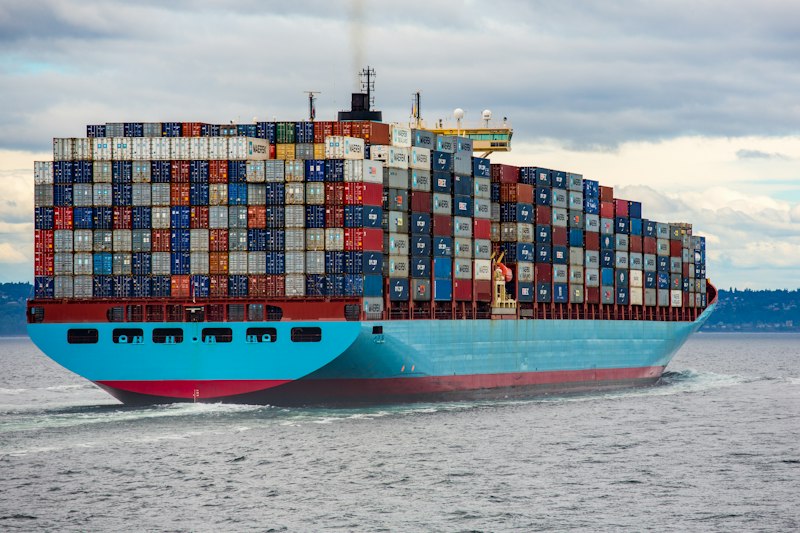
Ocean freight itself — the cost of actually transporting your vehicle by sea — is generally the largest single line item and varies enormously by destination, shipping method, and vehicle size. As a general guide for 2026, RORO freight from a UK port typically ranges from £700 for shorter European routes to £1,900 for longer-distance destinations such as Australia or the West Coast of the USA. Container shipping, whether shared or dedicated, generally costs more but offers greater protection, with shared containers ranging from £950 to £2,100 and dedicated containers from £1,700 to £3,800 depending on distance and vessel availability.
Fuel surcharges, known as Bunker Adjustment Factors (BAF), are applied by shipping lines on top of base freight rates and fluctuate with global oil prices, sometimes adding 5–15% to the base freight cost. These surcharges are often not included in initial quotes and should always be confirmed before booking to avoid surprises closer to the sailing date.
Insurance and Destination Port Charges

Marine transit insurance, while not always legally mandatory, is strongly recommended for every international shipment and typically costs 1–2% of the vehicle's declared value. For a £15,000 car, this adds roughly £150–£300, while for a high-value classic or luxury vehicle worth £80,000 or more, insurance costs scale up accordingly and can become a significant line item in its own right.
On arrival, destination port handling fees typically range from £150 to £350 depending on the country and port, covering unloading, temporary storage, and administrative processing. Many destinations also require a local customs clearance agent, whose fees generally range from £150 to £400, and who is essential for navigating destination-specific paperwork efficiently and avoiding costly delays or storage charges.
Import Duty and Taxes: The Biggest Variable
By far the most variable and often largest cost component is destination-country import duty and tax, which can range from as little as 0% in free ports like Hong Kong (though offset there by First Registration Tax) to over 100% of a vehicle's value in the most heavily taxed markets. Common rates include around 2.5% in the USA, 25% plus VAT in South Africa, 5% in most GCC states such as the UAE and Qatar, and substantial engine-capacity-based duty in markets like Pakistan.
Because these charges are calculated as a percentage of the vehicle's value, they scale directly with what you paid for the car, meaning duty and tax can easily become the single largest cost in the entire shipping process for higher-value vehicles, often exceeding the freight cost itself several times over in high-duty markets.
A Full Worked Example and Final Tips
Bringing all these components together, consider shipping a £20,000 SUV from the UK to a mid-duty destination via RORO: UK collection £120, origin handling £100, ocean freight £1,200, fuel surcharge at 10% £120, marine insurance at 1.5% £300, destination port handling £250, customs clearance agent £250, and import duty at, say, 15% of value £3,000. This produces a total landed cost of approximately £5,340 — more than four times the headline freight figure of £1,200 alone.
This example illustrates why it's essential to request a fully itemised quote before committing to any shipment, ideally one that separately breaks out freight, surcharges, insurance, and an estimate of destination duty and tax based on your specific vehicle and country. At The Ship Cars, we provide transparent, itemised quotes covering every stage of the journey, so you know your true total cost before you book.
Frequently Asked Questions
Why is the total cost so much higher than the freight quote?
What is a Bunker Adjustment Factor (BAF)?
Is marine insurance compulsory?
Which cost is usually the biggest variable?
How can I get an accurate total cost estimate?
Ready to Ship Your Vehicle?
Get a free, no-obligation quote for international vehicle shipping from the UK. Check our destinations or use the cost calculator.
Written by
Zahir
SEO & Logistics Expert
Zahir is a seasoned SEO strategist and content writer specializing in international logistics, vehicle shipping, and automotive culture. With over a decade of experience in the shipping industry, he provides expert insights to help customers navigate the complexities of international vehicle transport.