
Australia has some of the strictest vehicle import rules in the world. Here's how the Road Vehicle Standards Act, SEVS eligibility and biosecurity checks all fit together.
Who Can Actually Import a Car Into Australia

Since the Road Vehicle Standards Act 2018 came into force, importing a used vehicle into Australia is only straightforward if the model appears on the Specialist and Enthusiast Vehicle Scheme (SEVS) register, if you're returning as an Australian resident bringing a vehicle you've owned and used overseas for at least 12 months, or if the car qualifies as a genuine classic or vintage vehicle. Mainstream UK cars like a Ford Focus or Vauxhall Astra generally won't qualify unless they're a specific high-performance variant listed on the SEVS register — always check the Register of Approved Vehicles (RAV) before purchase.
If your vehicle isn't SEVS-eligible and you're not a qualifying resident, importation will be refused at the border, so this is the single most important check to make before booking shipping.
Duty, GST and the Luxury Car Tax
Eligible imports attract 5% customs duty on the vehicle's assessed customs value, plus 10% GST calculated on the value, duty and shipping costs combined. If the total value after duty exceeds the Luxury Car Tax threshold (adjusted annually, roughly AUD $80,000–$91,000 depending on fuel efficiency), an additional 33% LCT applies to the amount above the threshold. Most standard UK imports shipped via this route avoid LCT, but performance and prestige models often don't.
You'll also need to budget for the Australian Government's import approval fee, quarantine inspection charges, and compliance workshop costs to bring the vehicle up to Australian Design Rules if it isn't already compliant.
Biosecurity, Asbestos and Quarantine Checks
The Department of Agriculture, Fisheries and Forestry (DAFF) inspects every imported vehicle for biosecurity risks — soil, seeds, insects and plant material in the underbody, wheel arches and engine bay must be completely removed before shipping, or the vehicle will be held for costly steam cleaning on arrival. Older UK vehicles (particularly pre-2000 models) may also be tested for asbestos-containing components such as brake linings, gaskets and clutch material; if asbestos is detected, the vehicle must be professionally remediated at your expense before release, which can add AUD $3,000–$8,000 and significant delay.
We recommend a full engine bay and underbody steam clean immediately before the vehicle is delivered to Southampton or Tilbury for shipping, with photographic evidence retained for the quarantine declaration.
Shipping Routes, Transit Times and Costs
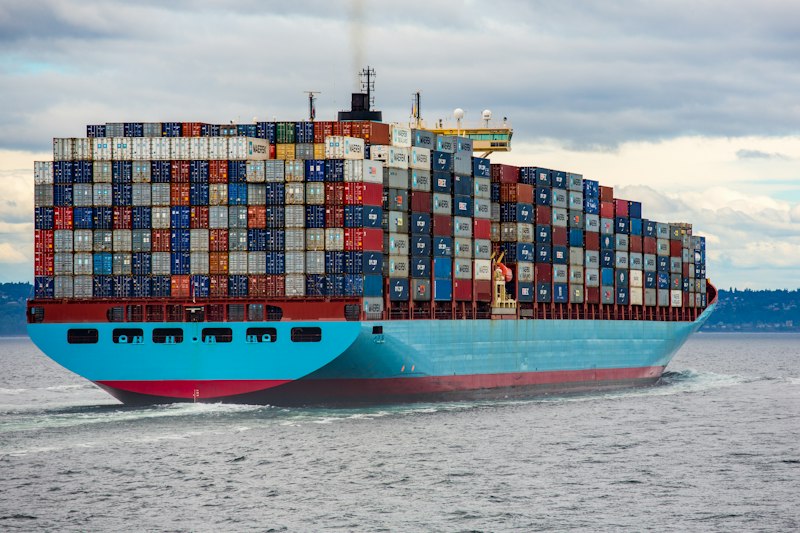
RORO and container sailings run from Southampton and Tilbury to Fremantle, Melbourne, Sydney and Brisbane, typically taking 6–8 weeks depending on the carrier and transhipment port. RORO costs for a standard saloon or SUV run from roughly £1,600–£2,400, while a 20ft shared or sole-use container typically costs £2,200–£3,400 including UK haulage. Add Australian-side charges — customs clearance, quarantine inspection, compliance plating and delivery to your final address — which commonly total AUD $1,500–£3,000 depending on the state and whether remediation is required.
Use our cost calculator for an indicative freight quote, and budget separately for the Australian import approval and compliance costs, which we can arrange through our partner brokers in Melbourne and Sydney.
Documentation You'll Need
You'll need the Import Approval issued before shipping (applied for online via the Road Vehicle Standards portal), the original V5C or export certificate, a bill of lading, commercial invoice or proof of ownership, and — for SEVS vehicles — confirmation the specific model and variant appears on the RAV register. Returning residents need additional evidence of 12 months' overseas ownership and use, such as insurance and registration documents from the country of origin.
Applying for import approval typically takes 10–15 working days, so this should be arranged well before your vehicle arrives at the UK port, ideally before booking shipping at all given the risk of refusal.
After Arrival: Compliance and State Registration
Once cleared through customs and quarantine, most imported vehicles need a compliance plate fitted by an RAWS-approved workshop confirming the car meets Australian Design Rules, covering items like child seat anchor points, lighting and side-impact protection. Costs vary by state and vehicle type but typically range from AUD $2,000–$6,000 for a full compliance conversion.
Once compliance plated, the vehicle can be registered with your state's transport authority (VicRoads, Transport for NSW, etc.), which will require a roadworthy inspection, compulsory third-party insurance and payment of state stamp duty on top of the federal charges already paid.
Frequently Asked Questions
Can I import any UK car into Australia?
How much does it cost in total to import a car to Australia?
Will my car be tested for asbestos?
How long does shipping take from the UK to Australia?
Do I need import approval before shipping?
Ready to Ship Your Vehicle?
Get a free, no-obligation quote for international vehicle shipping from the UK. Check our destinations or use the cost calculator.
Written by
Zahir
SEO & Logistics Expert
Zahir is a seasoned SEO strategist and content writer specializing in international logistics, vehicle shipping, and automotive culture. With over a decade of experience in the shipping industry, he provides expert insights to help customers navigate the complexities of international vehicle transport.