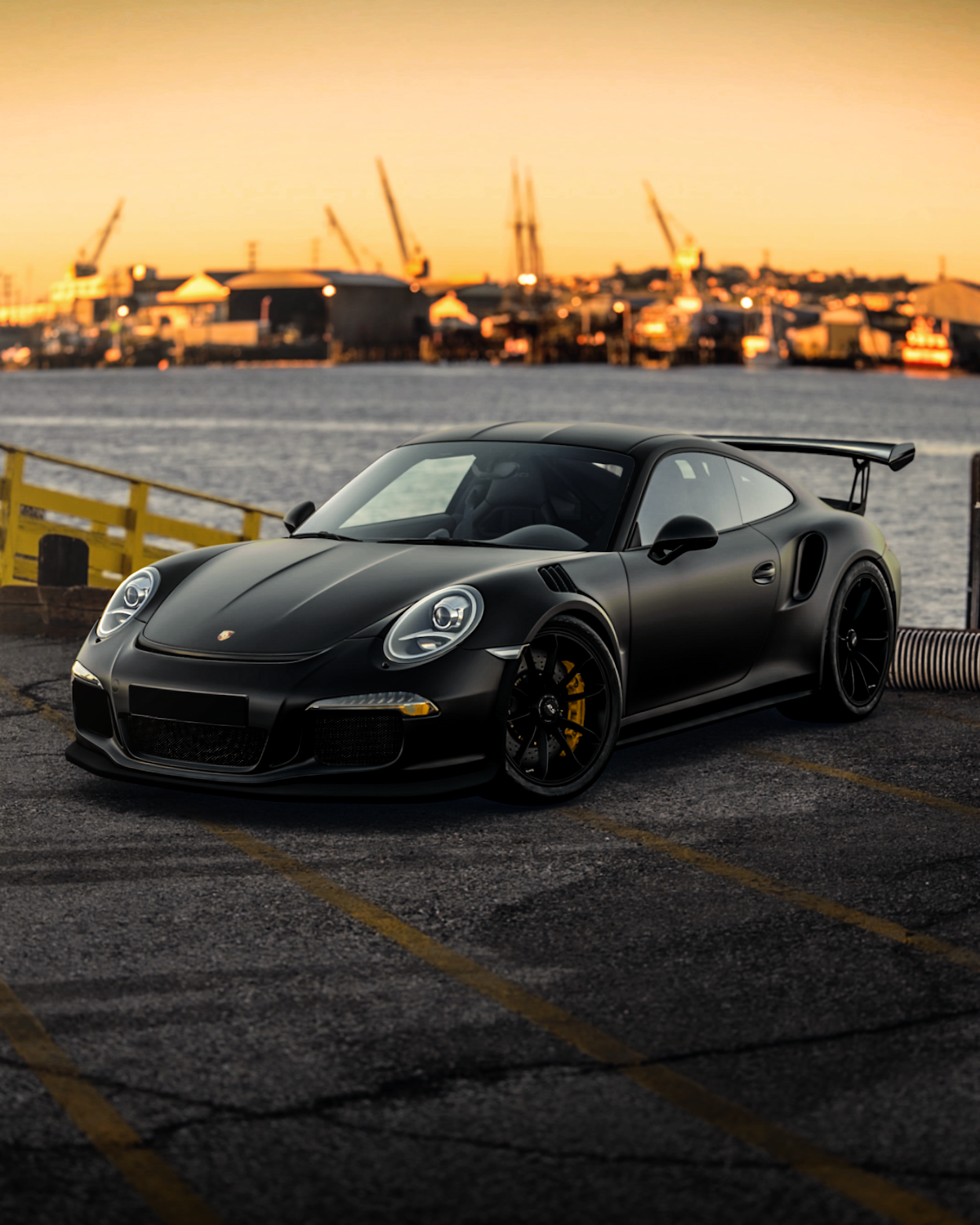
From finding the right car to clearing customs at destination, here's a complete process for buying and shipping a sports car internationally.
Step One: Sourcing the Right Car
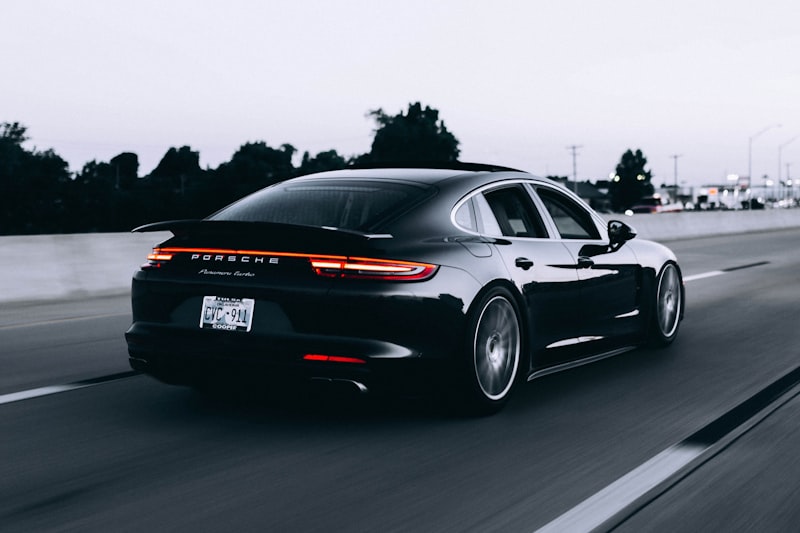
The first step in any international sports car purchase is finding a vehicle with verifiable history. In the UK, this means checking full MOT history online (which shows mileage recorded at each test and any advisories), obtaining an HPI or similar data check for outstanding finance or accident history, and requesting the full service book or digital service record from a main dealer or specialist.
For buyers unable to view the car in person, arranging an independent pre-purchase inspection through a marque specialist or a mobile inspection service is strongly recommended. This should include a compression or leak-down test where relevant, a check of tyre wear patterns, and verification that the chassis number matches the registration documents.
Step Two: Completing the Purchase
Once satisfied with the car's condition, complete the purchase with a clear bill of sale detailing the price, chassis number, mileage and both parties' details. If buying from a dealer, ensure VAT status is clearly stated on the invoice, as this affects the customs value declared at the destination and can materially change the duty payable.
At this stage, also arrange a UK export MOT if required and begin the DVLA notification of permanent export, which will result in the car being marked as exported on the DVLA register and the V5C logbook updated accordingly.
Step Three: Choosing a Shipping Method

For most sports cars, the choice comes down to RORO or container shipping. RORO is more economical and works well for standard, roadworthy vehicles heading to destinations with regular RORO services, such as the USA or Australia. Container shipping is recommended for higher-value, rare or modified sports cars, offering complete protection from the elements and reduced handling during loading and unloading.
Our car shipping methods guide compares these options in detail, and our team can advise on the best choice based on your specific vehicle and destination.
Step Four: Preparing Documentation
Documentation required typically includes the original V5C or export certificate, the bill of sale, the bill of lading issued once the vehicle is loaded, and any pre-shipment inspection certificates required by the destination country. Some countries, such as Kenya or several Gulf states, require inspection through an approved agency before the vehicle can even be shipped, so this should be arranged well ahead of the planned departure date.
Insurance for the voyage should also be arranged in advance — most reputable shippers, including The Ship Cars, include marine transit insurance as standard, but higher-value sports cars may benefit from an agreed-value policy rather than standard market-value cover.
Step Five: Import Clearance at Destination
On arrival, the vehicle must clear customs, which typically involves presenting the bill of lading, the purchase invoice, and any required compliance certificates. Duty and tax are usually calculated on the CIF (Cost, Insurance and Freight) value, so an accurate and consistent invoice value throughout the process avoids disputes with customs officials.
Many destinations also require local roadworthiness or emissions testing before registration, and using a local customs broker or import agent is generally worthwhile to navigate this final stage smoothly, particularly for markets with complex vehicle import regimes like Kenya, Nigeria, or several Middle Eastern countries.
Frequently Asked Questions
What documents do I need to export a sports car from the UK?
Should I choose RORO or container shipping for a sports car?
How is import duty calculated at the destination?
Do I need a local agent to clear customs?
Ready to Ship Your Vehicle?
Get a free, no-obligation quote for international vehicle shipping from the UK. Check our destinations or use the cost calculator.
Written by
Zahir
SEO & Logistics Expert
Zahir is a seasoned SEO strategist and content writer specializing in international logistics, vehicle shipping, and automotive culture. With over a decade of experience in the shipping industry, he provides expert insights to help customers navigate the complexities of international vehicle transport.