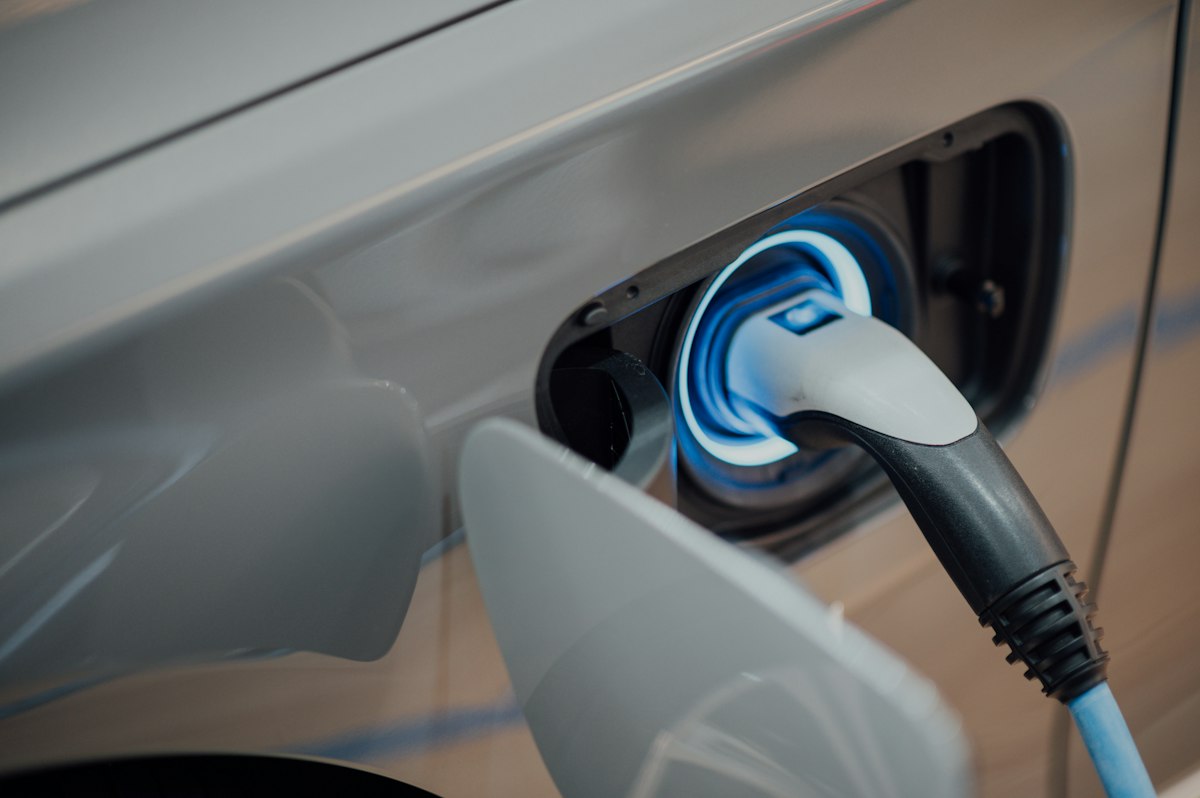
Electric and hybrid vehicles bring extra considerations for international shipping. Here's what exporters and buyers need to know before shipping an EV from the UK.
Growing Demand for Used EVs and Hybrids
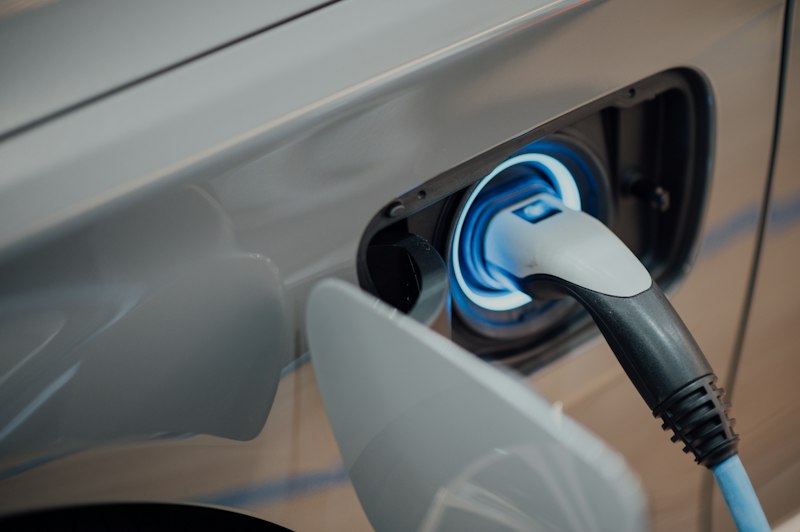
As the UK's used car parc continues to electrify, an increasing number of hybrid and fully electric vehicles are entering the export market. Models like the Toyota Prius and RAV4 Hybrid, Nissan Leaf, and Tesla Model 3 are now regularly requested by overseas buyers, particularly in markets where fuel prices are high or where governments are actively incentivising electrified transport.
Hybrid vehicles currently make up the larger share of this export segment, as they offer the fuel savings buyers want without the charging infrastructure dependency of a full EV. However, fully electric exports are rising steadily, especially to markets with developing charging networks such as parts of the Middle East and select Caribbean islands.
Battery Safety and Shipping Regulations
Lithium-ion batteries are classified as dangerous goods under international maritime shipping regulations, which means EVs and plug-in hybrids require specific handling procedures. Batteries must typically be maintained at a state of charge between 30% and 50% for shipping, reducing the risk of thermal incidents during transit.
Shipping lines and ports have developed dedicated procedures for handling EVs, including designated stowage areas on RORO vessels away from ignition sources and enhanced fire suppression systems on newer purpose-built car carriers. These requirements mean EV shipments sometimes carry a modest surcharge compared with conventional petrol or diesel vehicles, and not all vessels or shipping lines currently accept EV cargo, so route availability can be more limited than for standard vehicles.
Choosing Between RORO and Container Shipping for EVs

Both RORO and container shipping are viable for electric and hybrid vehicles, though the right choice depends on the specific vessel and route. Many mainstream RORO carriers now accept EVs on major routes, provided the state of charge and safety documentation requirements are met. Container shipping remains a reliable alternative, particularly for high-value EVs like Teslas or Porsche Taycans, offering added protection and flexibility for less frequently served destinations.
Our team at The Ship Cars works directly with shipping lines to confirm EV acceptance on your specific route before booking, ensuring there are no surprises once your vehicle arrives at the port. We recommend flagging that your vehicle is electric or hybrid at the time of quote request so we can advise on the most suitable and cost-effective option.
Destination Readiness: Charging Infrastructure Matters
Before exporting a fully electric vehicle, it's worth researching the charging infrastructure available in your destination country. While hybrid vehicles function without any charging network dependency, full EVs require access to reliable charging points, whether at home, work, or public charging stations.
Markets like the UAE have made significant investment in EV charging infrastructure, making them increasingly EV-friendly import destinations. Other markets are earlier in their infrastructure development, meaning buyers should carefully assess practicality before committing to a full EV purchase and export. Hybrid vehicles remain the safer, more universally practical choice for buyers exporting to markets with less developed charging networks.
Cost Considerations and Import Incentives
Shipping costs for EVs are typically comparable to standard vehicles of similar size, with a modest premium of around 10–20% reflecting additional handling and documentation requirements. Some destination countries offer reduced import duty or tax incentives for electric vehicles as part of broader efforts to encourage cleaner transport, which can offset the additional shipping cost significantly.
It's worth checking your destination country's current import duty structure for EVs specifically, as these policies are evolving quickly and can change the overall cost calculation considerably compared with importing an equivalent petrol or diesel vehicle. Our team can advise on the latest incentive schemes for popular destinations when you request a quote.
Frequently Asked Questions
Do electric vehicles cost more to ship than petrol cars?
What state of charge should my EV's battery be at for shipping?
Can I ship a hybrid vehicle the same way as a normal petrol car?
Are all destinations ready to receive electric vehicle imports?
Ready to Ship Your Vehicle?
Get a free, no-obligation quote for international vehicle shipping from the UK. Check our destinations or use the cost calculator.
Written by
Zahir
SEO & Logistics Expert
Zahir is a seasoned SEO strategist and content writer specializing in international logistics, vehicle shipping, and automotive culture. With over a decade of experience in the shipping industry, he provides expert insights to help customers navigate the complexities of international vehicle transport.