
South Africa's roads, driving culture and vehicle import rules differ from the UK in important ways. Here's what expats need to know.
Licences and Legal Driving Requirements

South Africa drives on the left, matching UK convention, which is a welcome familiarity for British expats. Visitors and new residents can drive on a valid UK licence, provided it's in English and includes a photograph, for up to twelve months from the date of arrival. If your licence doesn't meet these criteria, or you plan to stay longer, you'll need an International Driving Permit alongside your UK licence.
After twelve months of residency, you're required to convert to a South African driving licence. The conversion process is handled through the Department of Transport and requires proof of residency, your original UK licence, an eye test, and in some cases a driving competency assessment, depending on the licensing authority's current requirements. Processing times can vary by province, so it's sensible to start the process well before your twelve-month window closes.
Road Conditions and Driving Culture
South Africa's national road network, including its extensive highway system, is generally of a good standard, particularly the N-routes connecting major cities like Johannesburg, Cape Town, and Durban. However, road quality can decline significantly in some rural and township areas, with potholes and unmarked hazards more common outside well-maintained urban routes.
Driving culture in South Africa can be more assertive than in the UK, with faster overtaking, closer following distances in some areas, and a general expectation of confident, decisive driving. South Africa also has one of the higher road fatality rates globally relative to its vehicle population, so defensive driving, seatbelt use, and caution around minibus taxis — which can behave unpredictably and stop suddenly to pick up passengers — are all strongly advised.
Night driving on rural roads is generally discouraged due to poor lighting, animals on the road, and higher incidences of hijacking in certain areas. Most expats are advised to plan longer journeys to arrive at their destination before dark, and to keep doors locked and windows up when stationary in traffic in urban areas, particularly at night.
Vehicle Import Rules for South Africa
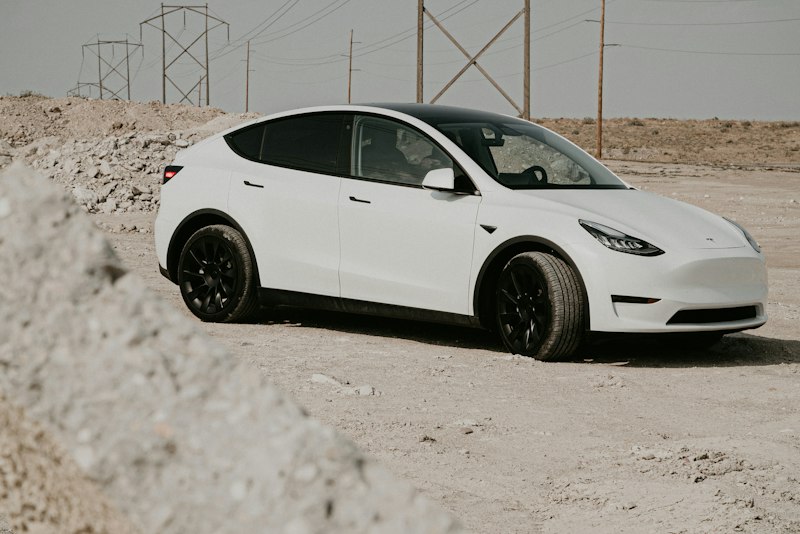
South Africa has notably strict rules around importing used vehicles, and it's important to understand these before assuming you can simply ship your UK car over. Generally, the import of second-hand vehicles into South Africa is prohibited except under specific circumstances, most commonly for individuals who qualify under the ITAC (International Trade Administration Commission) permit scheme for returning residents or those relocating permanently with proof of ownership and use of the vehicle for at least twelve months prior to import.
If you qualify under this scheme, you'll need to apply for an import permit from ITAC before the vehicle is shipped, and provide extensive documentation proving your change of residence and prior ownership and usage of the vehicle. This process should be started well in advance of your shipping date, as permit applications can take several weeks to process, and shipping without an approved permit risks the vehicle being refused entry or impounded on arrival.
Given these restrictions, many expats moving to South Africa choose to purchase a vehicle locally rather than navigate the import permit process, unless they have a specific classic, modified, or sentimentally important vehicle they're determined to bring. We strongly recommend confirming your eligibility and permit status with ITAC before booking any shipment to South Africa, and our team can point you toward the right resources to check this early in your planning.
Insurance and Registration Once You Arrive
Vehicle insurance isn't legally mandatory in South Africa in the way it is in the UK, but it's very strongly recommended given accident and theft rates. Comprehensive cover, including cover for theft and hijacking, is the norm among expats and provides essential financial protection. Third-party liability isn't compulsorily insured privately; instead, the Road Accident Fund (RAF), funded through a fuel levy, provides limited compensation for injuries caused by other drivers, but this doesn't cover vehicle damage.
Once your vehicle is legally imported (or purchased locally), it must be registered with the local licensing authority and will need a roadworthy certificate for registration and periodic renewal, similar in principle to an MOT. Registration and licensing procedures are managed at a provincial level, so requirements can vary slightly depending on where in South Africa you settle.
Fuel, Costs and Practical Driving Tips
Fuel prices in South Africa are regulated and adjusted monthly based on international oil prices and the exchange rate, and are generally lower than UK prices per litre, though this varies with currency fluctuations. Fuel stations in South Africa are typically full-service, meaning an attendant will fill your tank and often check your oil, water, and tyres — tipping the attendant a small amount is customary.
Toll roads are common on major routes, particularly around Gauteng province, and are usually paid electronically via an e-tag system or in cash at toll booths. It's worth familiarising yourself with the toll routes on your typical journeys, as costs can add up on longer commutes.
How The Ship Cars Can Help
Given the complexity of South Africa's import permit requirements, our team's first step with any customer considering shipping a vehicle there is to help clarify your eligibility under the ITAC returning resident scheme, since this determines whether shipping your own car is even a viable option for your situation. If you do qualify, we handle the RORO or container booking, export documentation, and coordination with the destination agent to ensure your vehicle clears customs smoothly on arrival at Durban or Cape Town.
If you're not eligible to import a used vehicle, we're happy to advise on the practicalities of shipping personal effects separately while you arrange a locally purchased vehicle instead. Contact us to discuss your specific circumstances before committing to any shipping plans for South Africa.
Frequently Asked Questions
Can I use my UK driving licence in South Africa?
Can I ship my own used car to South Africa?
Is South Africa's import process the same as other African countries?
Is it safe to drive at night in South Africa?
Which ports handle vehicle imports to South Africa?
Ready to Ship Your Vehicle?
Get a free, no-obligation quote for international vehicle shipping from the UK. Check our destinations or use the cost calculator.
Written by
Zahir
SEO & Logistics Expert
Zahir is a seasoned SEO strategist and content writer specializing in international logistics, vehicle shipping, and automotive culture. With over a decade of experience in the shipping industry, he provides expert insights to help customers navigate the complexities of international vehicle transport.