
Proper preparation prevents delays and damage. Follow our complete checklist to get your vehicle export-ready before it reaches the port.
Documentation: Get This Sorted First

Before any physical preparation begins, ensure your documentation is in order. You'll need the vehicle's V5C logbook, a valid MOT certificate if the car is over three years old, and proof of ownership if you're not the registered keeper. If there's outstanding finance on the vehicle, you'll need a settlement letter confirming the finance has been cleared before export can proceed.
You should also notify the DVLA of the export using the V5C/4 section of the logbook, and check whether your destination country requires an apostilled or notarised copy of any documents. Missing paperwork is one of the most common causes of delays at both the UK export stage and on arrival overseas, so it's worth double-checking everything a week or more before your scheduled shipping date.
Mechanical Preparation
For RORO shipping, your vehicle must be in safe, driveable condition, with functioning brakes, steering and no active fluid leaks. Ensure the battery is in good condition and fully charged, and top up fluids as needed, but keep the fuel tank to around a quarter full — this reduces weight and fire risk while still allowing the vehicle to be driven on and off vessels and through port terminals.
Check tyre condition and pressures, and address any warning lights on the dashboard before shipping, as port and vessel staff may refuse to load a vehicle showing an obvious mechanical fault. If shipping a non-running vehicle via container, notify your shipping provider in advance so appropriate loading equipment can be arranged at the origin port.
Cleaning and Condition Documentation
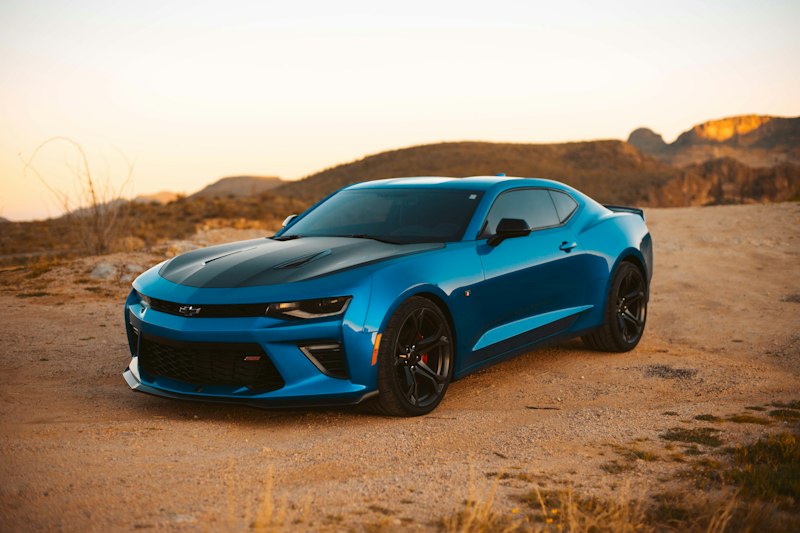
Give your vehicle a thorough clean, inside and out, before it's collected or dropped at the port. This isn't just cosmetic — a clean vehicle makes it much easier to spot and document any existing damage during the pre-shipment inspection, which forms the basis of any insurance claim should damage occur in transit.
Take detailed, timestamped photographs from all angles, including close-ups of any existing scratches, dents or wear, and photograph the odometer reading and interior condition too. Keep copies of these photos yourself in addition to any taken by the shipping company's inspection team.
Removing Personal Items and Aftermarket Additions
For RORO shipments, all personal belongings must be removed from the vehicle — international maritime regulations prohibit loose items in cars shipped this way, and customs officials at the destination may refuse clearance if items are found. Container shipments allow some personal effects to be included, but always confirm exactly what's permitted with your shipping provider beforehand, as rules vary by destination country.
Remove or disable any aftermarket alarm systems that could be triggered accidentally during loading, handling or the sea voyage, as a persistently sounding alarm can cause delays and complications at the port. If your vehicle has removable accessories like roof boxes, bike racks or tow bars, consider taking these off and packing them separately if permitted, or securing them properly if they must remain fitted.
Final Steps Before Collection or Drop-Off
Provide two sets of keys — one to travel with the vehicle and a spare to be sent separately via the documentation package, as this protects against a lost key causing delays on arrival. Confirm your collection or drop-off appointment with your shipping provider in good time, and ensure someone is available to hand over the vehicle and sign any necessary release paperwork.
Finally, keep a copy of your shipping booking confirmation, bill of lading once issued, and all correspondence with your shipping provider in one place. Having these documents easily accessible will make tracking your shipment and resolving any queries at the destination port considerably smoother.
Frequently Asked Questions
How much fuel should be in the tank before shipping?
Can I leave personal items in the car during RORO shipping?
What documents do I need before exporting my car?
Should I photograph my car before shipping?
Ready to Ship Your Vehicle?
Get a free, no-obligation quote for international vehicle shipping from the UK. Check our destinations or use the cost calculator.
Written by
Zahir
SEO & Logistics Expert
Zahir is a seasoned SEO strategist and content writer specializing in international logistics, vehicle shipping, and automotive culture. With over a decade of experience in the shipping industry, he provides expert insights to help customers navigate the complexities of international vehicle transport.