
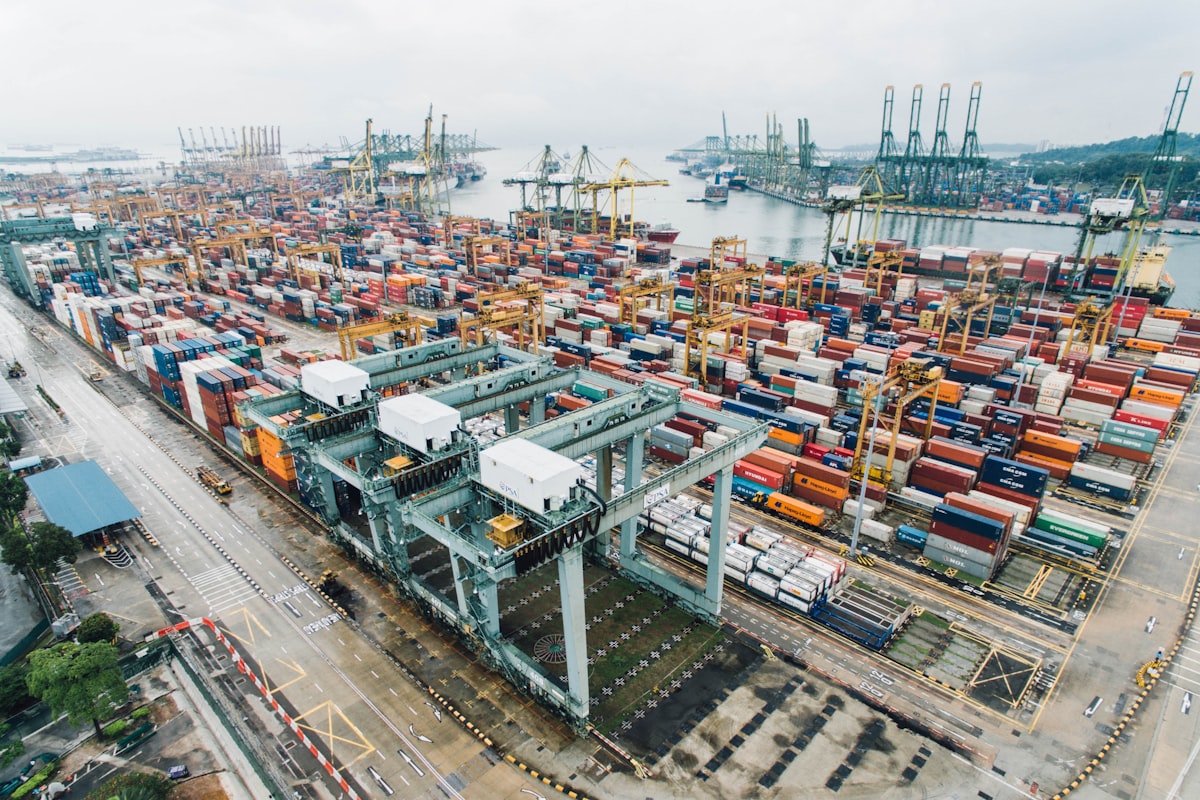
Port storage and demurrage fees are the most common source of unexpected cost in vehicle shipping. Here's how they work and how to avoid them.
Demurrage vs Storage: Two Different Charges
These terms are often used loosely and interchangeably, but they refer to distinct charges levied by different parties. Demurrage is charged by the shipping line for the use of its container or equipment beyond the agreed free period — essentially a rental fee for holding onto the carrier's asset (the container itself) past the point it should have been returned or emptied. Storage, sometimes called 'port storage' or 'terminal storage', is charged separately by the port or terminal operator for the physical space your cargo occupies on their premises beyond the free period, regardless of whether it's still inside a container or not.
For RORO shipments, there's no container involved, so the relevant charge is simply port storage for the vehicle occupying yard space. For container shipments, you can potentially face both charges simultaneously — demurrage to the shipping line for the container, and storage to the port for the yard space — which is why container shipments that overrun their free period can become considerably more expensive per day than an equivalent RORO delay.
How Free Time Is Typically Structured
Most ports and carriers offer an initial free period, commonly ranging from 3 to 10 days depending on the specific port, carrier and destination country, calculated from the vessel's arrival or the cargo's discharge date rather than from when you're notified. Some destinations, particularly busier hub ports, offer shorter free periods precisely because yard space is at a premium and the port operator wants to encourage rapid turnover.
Once free time expires, charges typically escalate in tiers — for example, a lower daily rate for the first week of overrun, rising to a considerably higher rate for a second week, and higher still beyond that, since ports design this tiered structure specifically to strongly discourage prolonged occupation of limited yard space rather than to generate steady, predictable revenue. This means a delay that seems minor in the first few days can become disproportionately expensive if it drags on for two or three weeks, which is precisely the scenario that catches out importers who assume they have more flexibility than they actually do.
What Typically Causes Storage Charges to Accrue

The most common cause by far is customs clearance taking longer than expected — whether due to missing documentation, a valuation dispute, a physical inspection queue, or simply bureaucratic processing time in destinations with less streamlined customs systems. Because the shipping side of a transaction and the customs side operate on different clocks, a vessel arriving exactly on schedule doesn't guarantee your vehicle will clear in time to beat the free storage deadline if the customs paperwork isn't already in motion.
The second common cause is the consignee simply not being ready or available to collect — being abroad, unaware of the exact arrival date, or not having arranged funds for duty payment in advance. The third, particularly relevant for container shipments, is delay in arranging destuffing (unloading the container at a bonded warehouse) after customs clearance is granted, since this is a separate step from clearance itself and requires its own booking with the container yard or warehouse operator.
Realistic Cost Impact if Charges Accrue
While exact figures vary enormously by port and carrier, it's not unusual for combined storage and demurrage charges to run from £15 to £50+ per day once free time expires, and considerably more at premium ports or once a shipment moves into the higher-rate escalation tier after the first week or two of overrun. On a shipment that overruns by three weeks due to a customs dispute, total additional charges can realistically reach several hundred pounds, occasionally running into four figures for container shipments facing both demurrage and storage simultaneously at a high-tariff port.
In genuinely extreme cases — vehicles left uncollected for months, often because an import permit issue proves unresolvable or a buyer simply abandons the shipment — some ports have the legal right to auction the cargo to recover accrued storage costs, which is an outcome we've never seen with a client who engaged with the process, but is a real risk for unmanaged shipments and underlines why proactive planning matters.
How to Avoid or Minimise These Charges
Start the customs and import permit process before the vessel departs the UK, not after it arrives at destination — most sailings give two to five weeks of lead time, which is generally enough to have documentation, permits and duty funds ready well ahead of the free-time clock starting. Appoint a local customs broker or clearing agent in advance for destinations with more complex or unpredictable customs processes, since their local knowledge of the specific port's procedures and relationships with customs officials genuinely speeds up clearance in many markets.
Track your vessel's schedule actively in the final week before arrival, since sailing schedules can shift by a few days and you want to know exactly when the free-time clock starts rather than working from an estimate made weeks earlier. Finally, make sure your consignee is genuinely ready to act the moment the arrival notice is issued — funds available for duty, ID ready, and (for container shipments) destuffing booked promptly after clearance — since the difference between a smooth collection and an expensive delay is usually just readiness rather than anything more complicated.
Frequently Asked Questions
What's the difference between demurrage and storage fees?
How much free time do I get before storage charges start?
What's the most common cause of storage charges building up?
Can a port really auction my car if storage fees go unpaid?
Ready to Ship Your Vehicle?
Get a free, no-obligation quote for international vehicle shipping from the UK. Check our destinations or use the cost calculator.
Written by
Zahir
SEO & Logistics Expert
Zahir is a seasoned SEO strategist and content writer specializing in international logistics, vehicle shipping, and automotive culture. With over a decade of experience in the shipping industry, he provides expert insights to help customers navigate the complexities of international vehicle transport.