
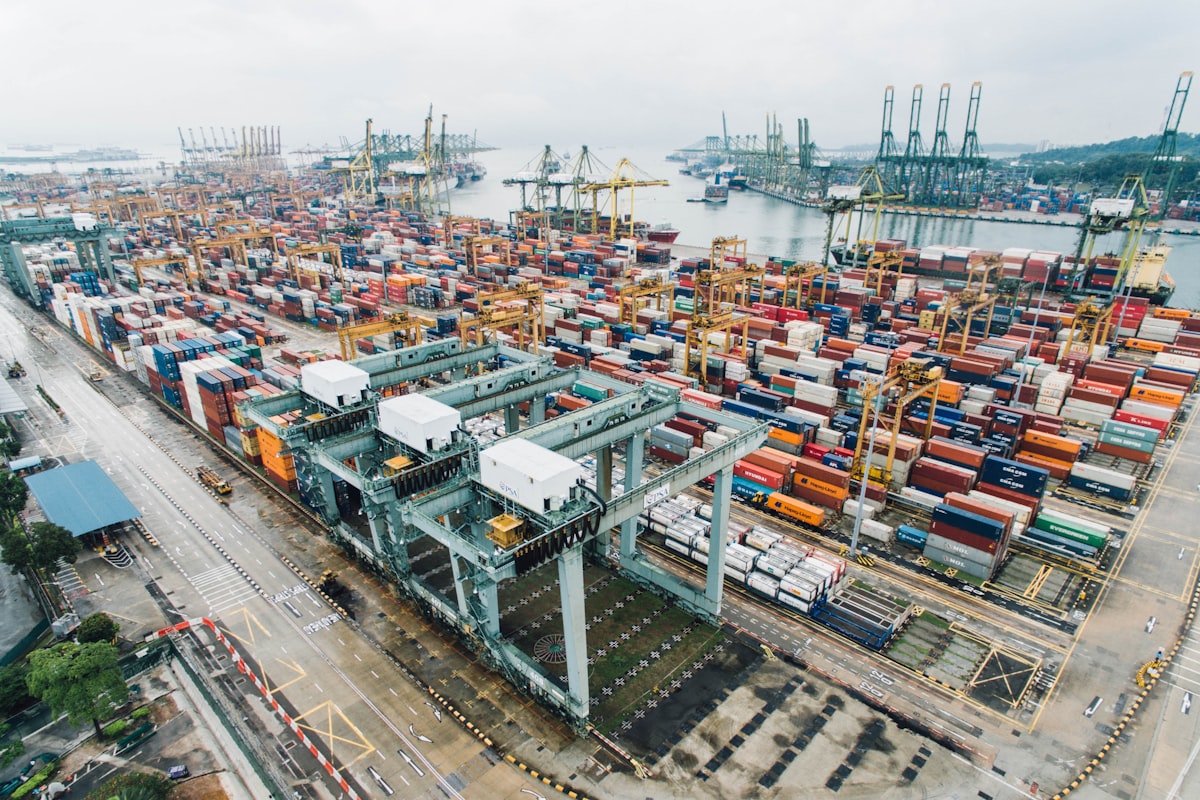
Free time at port is shorter than most people expect. Here's how storage and demurrage fees are calculated, and the simple steps that keep you well clear of them.
What Port Storage and Demurrage Actually Mean
Port storage and demurrage are often used interchangeably by customers, but they describe two related but distinct charges. Storage charges are levied by the port or terminal operator for the physical space your vehicle or container occupies on their land once a period of "free time" has expired. Demurrage, strictly speaking, is a charge from the shipping line for keeping their equipment — most commonly a container — beyond the agreed free period, whether or not it has left the terminal.
Both charges exist for the same underlying reason: ports and shipping lines have finite yard space and a finite pool of containers, and every day a vehicle sits uncollected is a day that space or equipment can't be used for the next customer. Free time at a UK export terminal is typically five to seven working days from vessel arrival, and at many overseas destination ports it can be as short as three to five days before daily charges begin to accrue.
Typical Charges and How Quickly They Add Up
Rates vary enormously by port and country, but as a general guide, UK storage charges after free time often start around £15–£30 per day for a single vehicle, rising in tiered bands the longer it remains uncollected. Overseas, ports in higher-demand markets such as the UAE, several African hubs and parts of the Caribbean can charge the equivalent of £20–£60 per day, and some authorities apply a compounding scale where charges double or triple after the first week of delay.
For container shipments, demurrage is usually billed per container rather than per vehicle, which sounds cheaper until you realise a shared container splits the fee awkwardly among owners who may not all be ready to collect at the same time. We've seen cases where a two-week clearance delay on a single shared container generated storage and demurrage bills exceeding £600, split between two or three car owners who each assumed someone else was handling collection.
Why Delays Happen — and Who Is Usually Responsible
The most common cause of storage charges isn't the shipping line at all, it's customs clearance. Missing or incorrect paperwork, an unpaid duty assessment, or a physical inspection request from customs can each add days while the vehicle sits accruing charges, and this time is rarely the carrier's fault or cost to absorb. Financing paperwork, insurance certificate delays, and buyers who haven't yet registered as importers in the destination country are the next most frequent culprits.
Under most shipping lines' terms and bills of lading, the consignee — meaning the person or company named to receive the cargo — is contractually responsible for demurrage and storage once free time expires, regardless of why the delay occurred. This is why it's worth reading your bill of lading carefully and understanding exactly when the free-time clock starts, since it is usually vessel discharge date, not the day you're informed the car has arrived.
Practical Steps to Avoid Storage Charges
The single most effective step is to have your customs broker and clearance paperwork ready before the vessel departs the UK, not after it arrives. Most destination customs authorities will accept documents for pre-clearance processing while the ship is still at sea, meaning the vehicle can, in the best cases, be released within a day or two of discharge rather than sitting in the queue.
Beyond paperwork, tracking the vessel's estimated arrival closely and confirming collection or delivery logistics — a truck, trailer, or your own presence at the port — at least a week in advance removes the most common cause of avoidable delay. If you're using a shipping agent or forwarder at destination, ask them directly what the free-time allowance is and diarise the deadline yourself rather than relying on a reminder, since notifications can be delayed by a day or two in transit and that day matters when free time is short.
What Happens If Charges Are Already Accruing
If you discover storage charges have started, the priority is to stop the clock rather than dispute the rate. Contact the terminal or your agent immediately to confirm the exact daily rate and any cap, then focus entirely on releasing the vehicle as fast as possible — every day of delay while negotiating is another day of charges. In our experience, ports are rarely willing to waive charges after the fact, though some will apply a partial goodwill reduction if the delay was clearly caused by a customs system fault rather than the importer.
For high-value or time-critical shipments, it's worth asking your shipping company whether they offer a managed clearance service that includes monitoring free-time deadlines on your behalf. This adds a modest fee but is usually far cheaper than even a week of storage charges at a busy overseas terminal, and it removes the risk of the vehicle being auctioned by the port authority, which some jurisdictions will do after storage remains unpaid for an extended period, typically 60–90 days.
Frequently Asked Questions
How many free days do I get before storage charges start?
Who is responsible for paying demurrage charges?
Can port storage charges be negotiated or waived?
What happens if I never collect my vehicle from the port?
Ready to Ship Your Vehicle?
Get a free, no-obligation quote for international vehicle shipping from the UK. Check our destinations or use the cost calculator.
Written by
Zahir
SEO & Logistics Expert
Zahir is a seasoned SEO strategist and content writer specializing in international logistics, vehicle shipping, and automotive culture. With over a decade of experience in the shipping industry, he provides expert insights to help customers navigate the complexities of international vehicle transport.