

Random customs checks are a normal part of international shipping. Here's what actually happens if your vehicle is selected for inspection.
Why Customs Checks Happen

Customs authorities in every country operate risk-based and random inspection systems on imported and exported goods, including vehicles. The purpose is straightforward: to verify that the declared contents match what's actually being shipped, confirm duties and taxes have been correctly calculated, and prevent the movement of prohibited items, stolen vehicles, or undeclared cargo.
Being selected for a random check doesn't imply any wrongdoing on your part. Customs systems use a mix of genuinely random selection alongside risk-scoring based on factors like route, vehicle type, declared value, and historical patterns for particular shipping lines or importers. The vast majority of vehicles selected for inspection are cleared without any issue once the check is complete.
What Triggers an Inspection
While a portion of inspections are genuinely random, certain factors can increase the likelihood of a vehicle being selected. High-value vehicles, unusual or inconsistent documentation, and shipments to or from countries with stricter enforcement regimes tend to see higher inspection rates. Vehicles arriving from or heading to destinations with known patterns of vehicle theft or fraud may also attract additional scrutiny as a matter of routine policy.
Documentation discrepancies are one of the most common practical triggers — for example, if the declared value on shipping paperwork doesn't align with the vehicle's actual market value, or if the VIN on the paperwork doesn't precisely match the VIN stamped on the vehicle. Ensuring your documentation is accurate and consistent from the outset is one of the most effective ways to reduce inspection risk, though it can never eliminate the possibility of a purely random selection.
What Happens During the Inspection
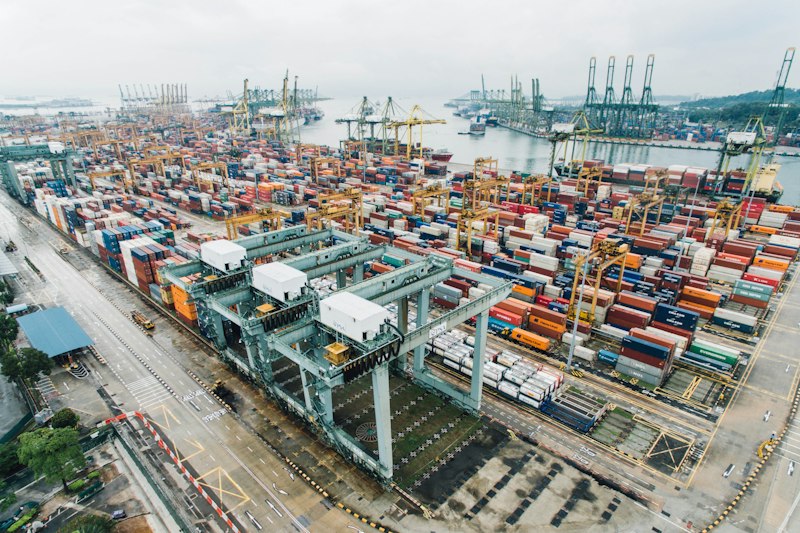
If your vehicle is selected, customs officers will typically conduct either a documentary check, a non-intrusive scan, or a full physical examination, depending on the level of scrutiny warranted. A documentary check involves reviewing your paperwork — bill of lading, invoice, ownership documents, and export declaration — against the vehicle details without physically examining the car.
A non-intrusive inspection may involve X-ray or scanning equipment to check for anything unusual inside the vehicle without opening it. A full physical inspection is more thorough, involving officers physically examining the vehicle, checking the VIN, and sometimes opening the boot, bonnet, and interior compartments to verify there's nothing undeclared inside.
Throughout this process, the vehicle remains in the custody of the port or customs authority, and as the shipping agent, we liaise directly with customs on your behalf to provide any additional documentation requested and keep the process moving as efficiently as possible.
How Long Does a Random Check Take
Timing varies considerably depending on the type and depth of inspection, as well as the workload of the customs authority at that particular port on that particular day. A documentary review might be resolved within a day, while a full physical inspection can take anywhere from two to seven business days, occasionally longer during periods of high port congestion or reduced staffing.
It's worth building this potential delay into your expectations when shipping to countries known for more rigorous customs processes, such as several African and Middle Eastern destinations. We always try to give customers a realistic transit estimate that accounts for the possibility of inspection-related delays, rather than promising a best-case timeline that assumes no checks will occur.
Costs Associated with Inspections
In most cases, random customs checks don't carry a direct cost to you as the vehicle owner, as they're conducted as part of the standard customs clearance process. However, some ports and customs authorities do charge inspection or examination fees, particularly for physical inspections that require unloading or repositioning the vehicle within the terminal.
These fees, where applicable, are usually modest relative to overall shipping costs, but they can catch customers off guard if they weren't mentioned upfront. We disclose any known inspection-related fees for your specific destination as part of your quote, so there are no unexpected charges if your vehicle happens to be selected.
How to Reduce the Risk and Impact of a Check
While you can't guarantee your vehicle won't be selected, there are practical steps to minimise both the likelihood and the impact if it happens. Ensure all documentation — bill of sale, ownership transfer, export declaration, and insurance — is accurate, complete, and consistent across every document before the shipment departs.
Declare the vehicle's value honestly and avoid under-declaring to reduce duty, which is both illegal and one of the most common triggers for closer scrutiny. Remove any items from the vehicle that aren't part of the standard shipment, particularly if you're using a RORO service where personal effects aren't permitted, since unexpected items found during an inspection can complicate and prolong the process significantly.
Finally, work with an experienced shipping agent who understands the customs requirements of your specific destination and can respond quickly with any additional paperwork customs may request, minimising delays if your vehicle is selected for inspection.
Frequently Asked Questions
Does a customs check mean something is wrong with my shipment?
Will I be charged extra if my car is selected for inspection?
How long does a customs inspection add to my shipping time?
What can I do to reduce the chance of my vehicle being inspected?
Ready to Ship Your Vehicle?
Get a free, no-obligation quote for international vehicle shipping from the UK. Check our destinations or use the cost calculator.
Written by
Zahir
SEO & Logistics Expert
Zahir is a seasoned SEO strategist and content writer specializing in international logistics, vehicle shipping, and automotive culture. With over a decade of experience in the shipping industry, he provides expert insights to help customers navigate the complexities of international vehicle transport.