
Planning to ship a car from the UK to Vietnam? Here's a complete 2026 breakdown of costs, transit times, and import regulations.
Shipping Routes from the UK to Vietnam
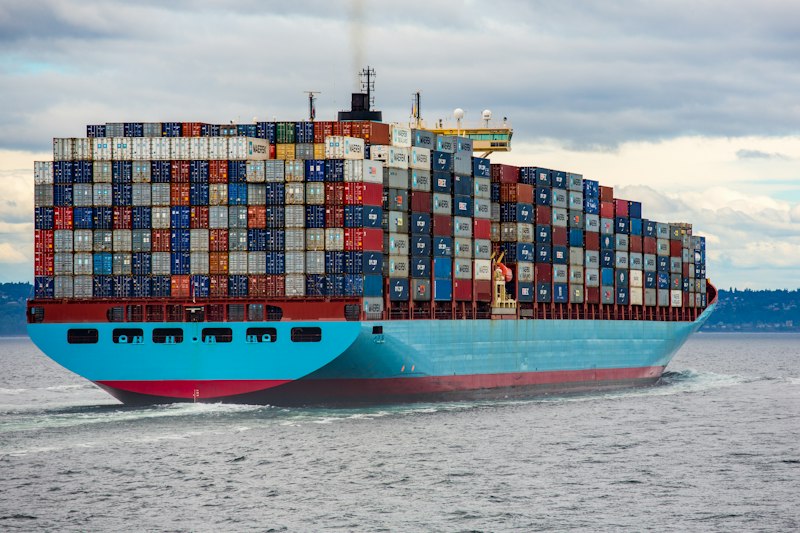
Shipping a car from the UK to Vietnam typically involves container shipping from major UK ports including Southampton, Felixstowe, or Tilbury, routed via major shipping alliances through the Suez Canal or, in some cases, around the Cape of Good Hope depending on current routing conditions. Vehicles arrive at one of Vietnam's main commercial ports — Ho Chi Minh City's Cat Lai or Cai Mep terminals for southern Vietnam, or Hai Phong port for northern destinations including Hanoi.
Unlike shipping to markets with well-established RORO networks such as the USA or Australia, container shipping is the standard and generally only practical method for vehicle exports to Vietnam, since RORO vessel schedules to Vietnamese ports are extremely limited for private vehicle shipments. This makes container shipping — either shared or dedicated — the default choice for UK exporters.
Typical Costs and Transit Times
Shipping costs from the UK to Vietnam via a shared container typically range from £1,600 to £2,800 depending on vehicle size and current freight rates, while a dedicated container generally costs between £2,800 and £4,500. These figures cover the ocean freight and standard port handling but exclude Vietnamese import duty, VAT, and registration fees, which are typically the buyer's or importer's responsibility on arrival.
Transit time from UK ports to Vietnam generally runs between 30 and 45 days depending on the shipping line, chosen route, and whether the vessel calls at multiple ports en route. Vessels routed through the Suez Canal tend to be faster, while diversions around the Cape of Good Hope, which have become more common in recent years due to regional security concerns in the Red Sea, can add one to two weeks to the journey.
Vietnam's Import Duty and Tax Regime
Vietnam maintains some of the strictest and most costly import regulations for used vehicles anywhere in the world, and prospective importers should research these thoroughly before committing to a shipment. Import duty on used passenger cars can range from 47% to 75% of the assessed value depending on engine size and vehicle category, and this is compounded by an additional Special Consumption Tax ranging from 35% to over 100% depending on engine displacement, plus standard 10% VAT applied on top of duty-inclusive value.
As a result, importing a used personal vehicle into Vietnam is generally only cost-effective for very high-value or rare vehicles, or under specific circumstances such as diplomatic import, returning Vietnamese nationals under certain resettlement schemes, or specific investment project exemptions. Most private individuals relocating to Vietnam find it considerably more economical to sell their UK vehicle and purchase locally after arrival, rather than paying Vietnam's substantial import taxes.
Registration and Compliance Requirements

Vehicles that are approved for import into Vietnam must pass a technical safety and emissions inspection through the Vietnam Register (Cục Đăng kiểm Việt Nam) before being registered for road use. Right-hand-drive vehicles, including the vast majority of UK cars, are generally prohibited from being registered for private road use in Vietnam, as the country mandates left-hand-drive vehicles for domestic circulation.
This restriction represents one of the most significant barriers for UK owners considering exporting a personal vehicle to Vietnam, and it's essential to confirm the drive configuration requirement and any exemptions with Vietnamese customs authorities well before committing to shipment, since converting a right-hand-drive vehicle after arrival is neither practical nor typically permitted.
Seasonal Factors Affecting Shipping
Vietnam's shipping calendar is influenced by both the Lunar New Year (Tết) holiday period, typically falling in late January or February, and the regional monsoon and typhoon seasons affecting Southeast Asia between roughly May and November. Port operations and vessel schedules can experience delays around Tết as businesses close for extended periods, and typhoon activity in the South China Sea can cause temporary rerouting or schedule disruptions during peak storm months.
For customers with flexibility, planning shipments to depart the UK during the northern hemisphere autumn or winter generally avoids the worst of the Southeast Asian storm season and aligns better with post-Tết logistics capacity in Vietnamese ports.
Getting an Accurate Quote
Given the complexity of Vietnam's import duty structure and the right-hand-drive restriction, we strongly recommend speaking directly with our team before committing to a shipment to Vietnam, so we can confirm current eligibility and provide an accurate, fully itemised cost breakdown for your specific vehicle and circumstances. Explore our other international destinations if Vietnam's import restrictions don't suit your plans.
Contact us for a free quote, and our specialists will talk you through the realistic costs, timelines, and compliance requirements before you commit to anything.
Frequently Asked Questions
Can I import a right-hand-drive car from the UK into Vietnam?
How much does it cost to ship a car from the UK to Vietnam?
How long does shipping to Vietnam take?
Why are import taxes so high in Vietnam?
Is it worth shipping a car to Vietnam for personal relocation?
Ready to Ship Your Vehicle?
Get a free, no-obligation quote for international vehicle shipping from the UK. Check our destinations or use the cost calculator.
Written by
Zahir
SEO & Logistics Expert
Zahir is a seasoned SEO strategist and content writer specializing in international logistics, vehicle shipping, and automotive culture. With over a decade of experience in the shipping industry, he provides expert insights to help customers navigate the complexities of international vehicle transport.