
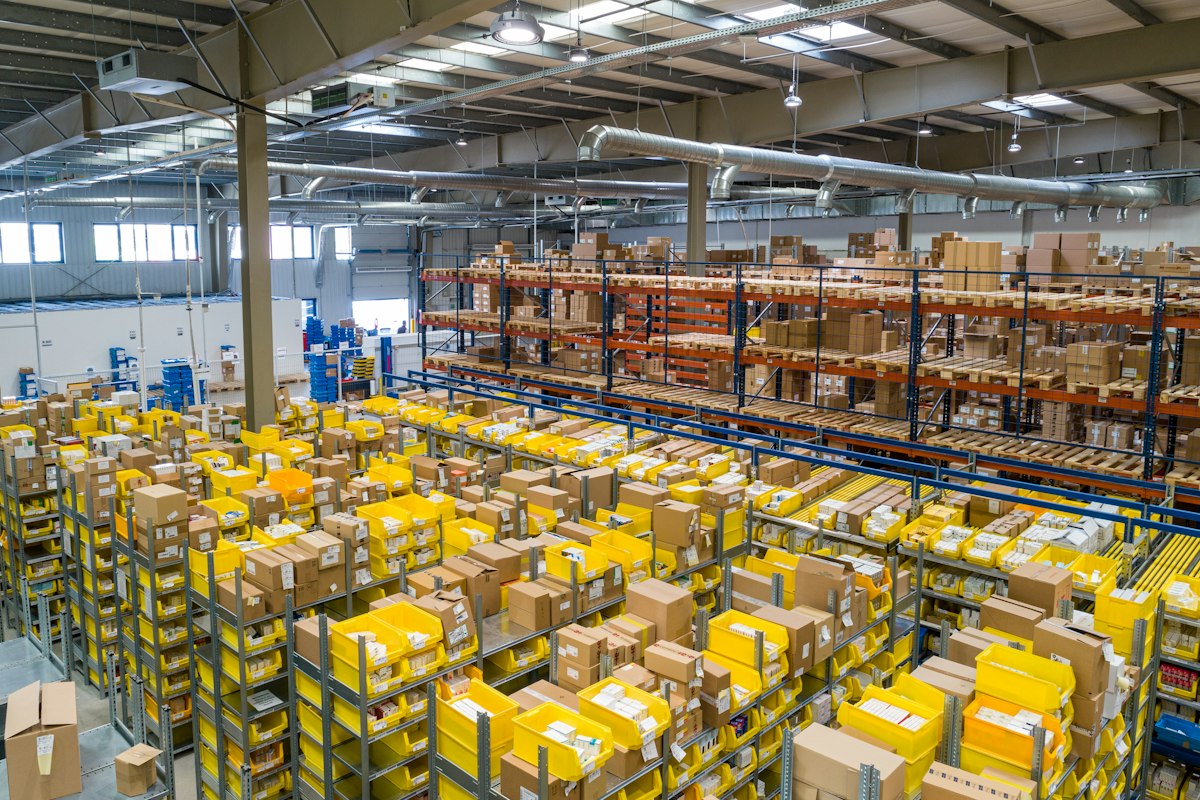
Everything businesses need to know about shipping palletised goods internationally from the UK — methods, costs, and regulations.
What Is International Pallet Shipping?
Pallet shipping involves transporting goods loaded onto standardised pallets (typically Euro pallets at 1200×800mm or UK pallets at 1200×1000mm) by sea, air, or road freight. It's the most efficient method for businesses to ship commercial quantities of goods internationally. For vehicle shipping, see our car shipping methods guide.
The Ship Cars provides international pallet shipping services for:
• Automotive parts and accessories
• Industrial components and machinery parts
• Consumer goods and electronics
• Trade show equipment and displays
• Personal effects and household items
• Commercial samples and inventory
We handle single pallets through to full container loads, with services covering every major international trade route. For customs and documentation guidance, see our dedicated guide.
Shipping Methods for Pallets
Sea Freight — LCL (Less than Container Load):
• Best for: 1–10 pallets to any destination
• Your pallets share container space with other consignments
• Cost: £150–£500 per pallet depending on destination
• Transit time: 14–45 days depending on route
Sea Freight — FCL (Full Container Load):
• Best for: 10+ pallets or large volumes
• Exclusive use of a 20ft (10–11 Euro pallets) or 40ft (23–24 Euro pallets) container
• Cost: £1,500–£5,000 per container depending on destination
• Transit time: 14–45 days
Air Freight:
• Best for: urgent or high-value consignments
• Cost: £2–£8 per kilogram depending on destination
• Transit time: 2–5 days
• Weight and size restrictions apply
European Road Freight:
• Best for: EU and near-European destinations
• Cost: £200–£800 per pallet
• Transit time: 2–7 days
• Door-to-door service available
Pallet Packaging Requirements
Proper packaging is essential for safe international pallet shipping:
Pallet construction:
• Use ISPM 15 heat-treated pallets for all international shipments (mandatory for most countries)
• Pallets must be structurally sound with no broken boards
• The pallet must support the full weight of the goods
Packaging the goods:
• All items must be securely fastened to the pallet using strapping, banding, or shrink wrap
• Fragile items should be cushioned with foam, bubble wrap, or packing peanuts
• Stretch wrap the entire pallet for weather protection and stability
• Stack goods evenly — do not overhang the pallet edges
Labelling:
• Clear shipping labels on at least two sides
• Handling instructions (fragile, this way up, keep dry)
• Consignee and destination details
• Weight and dimensions
Maximum dimensions (standard):
• Height: 1.8m (including pallet) for sea freight
• Weight: 1,000kg per pallet for LCL sea freight
• Non-standard sizes can be accommodated but may attract surcharges
Customs and Documentation
International pallet shipments require customs documentation:
Export from UK:
• Commercial invoice with value, description, and HS codes
• Packing list with dimensions and weights
• Export customs declaration
• Certificate of origin (if required by destination)
Import at destination:
• Import customs declaration
• Applicable duties and taxes
• Import licences (if goods are regulated)
HS codes: Each type of goods has a Harmonised System commodity code that determines the applicable duty rate. The Ship Cars advises on the correct HS code for your goods.
Incoterms: Agree clear shipping terms with your buyer/supplier. Common terms include:
• EXW (Ex Works): buyer arranges everything
• FOB (Free on Board): seller delivers to port
• CIF (Cost, Insurance, Freight): seller covers shipping to destination
• DDP (Delivered Duty Paid): seller covers everything including destination duties
The Ship Cars handles all customs documentation for pallet shipments, ensuring smooth clearance at both ends.
Costs and Getting a Quote
Pallet shipping costs depend on:
• Weight and dimensions: Charged on actual or volumetric weight (whichever is greater)
• Destination: Distance and route determine the base rate
• Shipping method: Sea LCL, FCL, air, or road
• Goods type: Hazardous or regulated goods attract additional charges
• Collection and delivery: Door-to-door vs port-to-port
Indicative LCL prices per standard Euro pallet from UK:
• Western Europe: £150–£350
• Eastern Europe: £250–£450
• Middle East: £300–£600
• West Africa: £350–£700
• North America: £400–£700
• Australia: £500–£900
• Southeast Asia: £400–£800
For accurate pricing, contact The Ship Cars with:
• Number of pallets
• Dimensions and weight per pallet
• Goods description
• Origin and destination addresses
• Required delivery date
We respond with a detailed quotation within 2 hours during business hours.
Frequently Asked Questions
Do I need heat-treated pallets for international shipping?
How many pallets fit in a shipping container?
Can I ship hazardous goods on pallets?
What is volumetric weight?
Ready to Ship Your Vehicle?
Get a free, no-obligation quote for international vehicle shipping from the UK. Check our destinations or use the cost calculator.
Written by
Zahir
SEO & Logistics Expert
Zahir is a seasoned SEO strategist and content writer specializing in international logistics, vehicle shipping, and automotive culture. With over a decade of experience in the shipping industry, he provides expert insights to help customers navigate the complexities of international vehicle transport.